Sourcing Coin Vibration Motors for Medical Devices

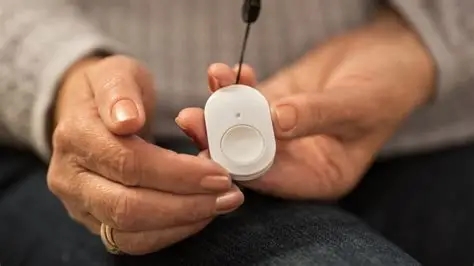
Sourcing coin vibration motors for medical devices demands strict attention to compliance, quality, and supplier reliability. Motors in medical applications require biocompatible materials and must meet ISO 13485 standards to ensure safety and reliability. INEED brings over a decade of experience, advanced technology, and a strong focus on customization. The company supports engineers and procurement teams with tailored solutions for demanding healthcare environments.
Key Takeaways
Choose coin vibration motors that meet strict medical standards like ISO 13485 and IEC 60601 to ensure safety and reliability.
Work with experienced suppliers who offer quality control, traceability, and customization to fit your device’s specific needs.
Test motor samples under real conditions to verify size, vibration strength, and power compatibility before full production.
Use a detailed sourcing checklist to manage supplier communication, certifications, warranties, and delivery timelines effectively.
Partner with suppliers like INEED that provide technical support, free samples, and flexible solutions to speed up development and improve device performance.
Application Needs for Coin Vibration Motors

Size and Power Requirements
Selecting the right coin vibration motors for medical devices starts with understanding the technical constraints. Medical devices often require compact motors that fit within limited spaces. The following table summarizes typical specifications for coin vibration motors used in these applications:
Parameter | Specification |
|---|---|
Motor Diameter | 10 mm |
Motor Thickness | 3.4 mm |
Operating Voltage | 2.5 V to 3.7 V |
Rated Voltage | 3.0 V |
Operating Current | 80 mA (typical at 3.0 V) |
Starting Voltage | 2.3 V (minimum) |
Linear Resonant Actuators (LRA) coin vibration motors operate at low voltage levels and require minimal current. This design supports precise control of vibration intensity and extends battery life, which is essential for portable medical devices.
Tip: Always match the motor’s voltage and current requirements to your device’s power supply to ensure optimal performance and longevity.
Vibration Strength and Safety
Vibration strength must be carefully managed in medical devices. Engineers control vibration intensity by adjusting voltage and using Pulse Width Modulation (PWM). Accelerometers measure amplitude and frequency, allowing for accurate monitoring. Microcontrollers can modulate power, providing precise feedback for users.
Medical devices must comply with IEC 60601 safety standards.
Biocompatible encapsulation is necessary for patient safety.
Controlled vibration intensity is vital for diagnostic tools, wearable monitors, and therapeutic devices.
While IEC 60601 governs general safety, there are no explicit regulations for vibration strength. Manufacturers focus on biocompatibility and consistent performance.
Integration in Medical Devices
Integrating coin vibration motors into medical devices involves several steps:
Define the application and feedback requirements.
Choose a motor size that fits the device’s physical constraints.
Set the frequency and amplitude to match the desired feedback.
Verify drive conditions, ensuring compatibility with the device’s power supply.
Confirm biocompatibility and safety compliance.
Coin vibration motors are widely used in wearable health monitors, assistive technologies, and diagnostic instruments. Their compact size and customizable features make them ideal for seamless integration.
Compliance and Quality Standards
Ensuring compliance and quality is essential when sourcing coin vibration motors for medical devices. Regulatory standards protect patient safety and guarantee consistent performance. Manufacturers must follow strict guidelines to meet industry requirements.
Medical Certifications (ISO, FDA)
Medical devices must adhere to recognized certifications. These certifications confirm that products meet safety, quality, and biocompatibility standards. The following table outlines the main certifications required for coin vibration motors in medical applications:
Standard | Description |
|---|---|
ISO 13485 | Quality management systems for medical devices |
IEC 60601 | Safety and performance standards for medical equipment |
FDA 21 CFR Part 820 | Quality system regulations for medical devices |
ISO 10993 | Biocompatibility standards for materials in contact with human tissue |
Manufacturers must demonstrate compliance with these standards. ISO 13485 ensures robust quality management. IEC 60601 addresses electrical safety and performance. FDA 21 CFR Part 820 regulates quality systems in the United States. ISO 10993 confirms that materials are safe for contact with human tissue.
Note: Certification is not just a legal requirement. It is a mark of reliability and trust for medical device manufacturers.
Documentation and Traceability
Documentation and traceability are critical in medical device manufacturing. Leading suppliers maintain batch traceability by using ISO 9001-certified processes. This practice allows manufacturers to track every component from production to delivery. Batch records, serial numbers, and production logs support traceability.
Suppliers validate production controls through on-site audits and sample testing. These measures help identify and resolve issues quickly. Traceability ensures that any defect or recall can be managed efficiently. Proper documentation supports regulatory audits and protects patient safety.
Batch traceability enables quick response to quality concerns.
Production logs provide transparency throughout the supply chain.
On-site audits confirm adherence to quality standards.
INEED Quality Control Processes
INEED Electronics follows rigorous quality control procedures. The company holds ISO 9001 certification, which demonstrates commitment to quality management. INEED implements multiple inspection steps during research, development, and production.
Quality control experts inspect tools and materials before production begins. Material lifetime tests verify durability. First article inspections confirm that initial samples meet specifications. Key processes and motor performance undergo 100% inspection. Final inspections ensure that every coin vibration motor meets industry standards.
INEED also conducts motor lifetime tests to guarantee reliability. Outgoing control processes include secure packaging and shipment tracking. The company maintains comprehensive management systems to monitor products during transit. These practices support traceability and protect product integrity.
Tip: Partnering with a supplier like INEED ensures that coin vibration motors meet strict medical standards and deliver consistent performance.
Supplier Evaluation and Selection
Selecting the right supplier for coin vibration motors in medical devices is a critical step. The supplier’s experience, quality assurance, traceability, and support for customization all play a role in ensuring device safety and performance.
Experience with Medical-Grade Coin Vibration Motors
A supplier’s track record in the medical field demonstrates their ability to meet strict requirements. Top suppliers have years of experience and a strong presence in healthcare and related industries. The table below highlights key indicators of supplier expertise:
Experience | Details |
|---|---|
Years in Industry | |
Monthly Production Capacity | Over 15 million motors |
Applications | Telecommunication, healthcare, medical, robotics |
R&D Investment | 10% of annual revenue |
Quality Commitment | Cost-effective products with high quality |
Suppliers with this level of experience have integrated their motors into devices such as portable insulin pumps and wearable heart monitors. These applications require discreet alerts and reliable operation. Manufacturing often takes place in clean-room environments with automated precision assembly. This approach ensures that motors meet the high standards necessary for medical use.
Note: Reliability in healthcare devices is essential. Even minor failures can have serious consequences for patients.
Quality Assurance and Testing
Quality assurance is non-negotiable for medical-grade components. Leading suppliers conduct rigorous testing on every batch of coin vibration motors. These tests confirm vibration strength, durability, and compliance with international standards. Strict performance evaluations validate that each motor will function as intended in sensitive medical environments.
Each motor undergoes durability testing to ensure a long operational life.
Performance tests verify that vibration output meets design specifications.
Compliance checks confirm adherence to global medical device standards.
Suppliers who invest in advanced materials and robust testing protocols deliver motors that last over one million cycles. Customer feedback consistently highlights the importance of reliability and consistency in product quality.
Traceability and Documentation
Traceability supports accountability and safety in medical device manufacturing. Reliable suppliers maintain detailed records for every production batch. This includes serial numbers, batch logs, and shipment tracking. Such documentation allows manufacturers to trace each motor from production to final delivery.
Batch records enable quick identification and resolution of quality issues.
Serial numbers provide transparency throughout the supply chain.
Comprehensive logs support regulatory audits and recall management.
This level of traceability ensures that any potential issue can be addressed swiftly, protecting both patients and manufacturers.
INEED’s Customization and Support
INEED stands out for its commitment to customization and technical support. The company offers expert guidance to adjust motor features such as vibration strength, speed, and mounting options. Clients can select motors with specific sizes, weights, wires, and connectors to match their device requirements.
INEED provides free samples for prototyping, allowing engineers to test and refine designs before full-scale production.
The engineering team assists with rapid customization, helping clients meet unique voltage, size, and vibration needs.
Support extends to maintenance planning and predictive measures, ensuring long-term reliability.
This comprehensive approach helps medical device projects achieve optimal performance and faster time-to-market. INEED’s dedication to customer satisfaction and risk management has earned trust across the healthcare industry.
Tip: Partnering with a supplier that offers both technical expertise and flexible support can streamline development and reduce project risks.
Product Reliability and Custom Solutions
Verifying Coin Vibration Motor Specifications
Verifying the specifications of coin vibration motors is a crucial step before integration into medical devices. Engineers evaluate key performance metrics such as resonant frequency and vibration amplitude. These measurements help ensure the motor will operate efficiently within the device. Compatibility checks focus on size, weight, and electrical requirements. Testing the motor’s resonance frequency in real-world scenarios validates both performance and energy efficiency. Dedicated driver chips allow for precise control of vibration intensity and faster response times. Manufacturer datasheets provide detailed information, supporting informed decisions during motor selection.
Evaluate resonant frequency and vibration amplitude.
Check compatibility for size, weight, and electrical needs.
Test resonance frequency in actual device conditions.
Use driver chips for adjustable vibration control.
Review datasheets for technical details.
Reliability Testing and Performance
Reliability is essential for coin vibration motors in medical applications. Manufacturers use strict testing protocols to confirm durability and consistent performance. The following table highlights important factors that contribute to motor reliability:
Factor | Description |
|---|---|
Material Composition | High-grade materials like reinforced polymers and corrosion-resistant coatings enhance durability. |
Build Quality | Precision manufacturing and quality control improve motor efficiency and lifespan. |
Environmental Resistance | Motors must withstand harsh conditions; IP ratings indicate resilience against dust and moisture. |
Bearing and Shaft Design | High-quality bearings and aligned shafts reduce friction and wear, ensuring smooth operation. |
Critical performance metrics include efficiency, amplitude, frequency, power consumption, and output consistency. Regular maintenance checks help detect early signs of wear and keep the motor performing reliably.
Customization Options from INEED
INEED offers a wide range of customization options for coin vibration motors. Clients can select specific sizes, vibration strengths, and mounting methods to fit unique device requirements. Options include different lead wire lengths, connector types, and mounting adhesives. The engineering team provides support throughout the design process, helping clients achieve optimal performance. Free samples are available for prototyping, allowing for thorough testing before full-scale production. This approach ensures that each solution meets the exact needs of the medical device application.
Tip: Custom solutions from INEED help medical device manufacturers achieve both reliability and flexibility in their designs.
Sourcing Process Checklist
Step-by-Step Guide
A structured sourcing process improves efficiency and reduces risks when procuring motors for medical devices. The following checklist helps teams manage each stage:
Review the supplier’s on-time delivery rate to ensure reliability.
Confirm response time commitments for technical support and inquiries.
Obtain and verify the product datasheet for accurate specifications.
Test physical samples under real-world conditions to validate performance.
Check certification authenticity, including ISO and FDA standards.
Clarify customization scope in writing to avoid misunderstandings.
Define warranty and return processes for clear post-sale support.
Secure agreement on minimum order quantity and payment terms.
Document lead time expectations for planning and inventory control.
Establish a communication protocol for issue resolution.
Tip: A detailed checklist streamlines procurement and supports compliance with medical regulations.
Best Practices for Medical Devices
Sourcing motors for medical devices requires attention to technical and operational details. Teams should assess vibration frequency and amplitude to match application needs. Power source compatibility, such as AC or DC, must align with device requirements. Motor size and weight affect integration and user comfort. Durability ensures the motor withstands operational environments. Monitoring noise levels enhances user experience. Testing motors in controlled environments validates performance before deployment.
Select suppliers based on capabilities and quality standards.
Establish clear communication channels for alignment and quick issue resolution.
Collaborate on quality assurance through joint audits and shared metrics.
Foster innovation and co-development with suppliers.
Build long-term relationships for improved collaboration and reliability.
Leverage technology to enhance supply chain visibility and streamline communication.
The rising demand for motors in medical devices highlights the need for reliable and efficient solutions. Teams must select products that meet specific application requirements and adapt to evolving technology.
Sourcing motors for medical devices requires careful evaluation and strict adherence to compliance standards. Teams should prioritize supplier credibility and maintain clear communication throughout the process. INEED delivers reliable solutions with longer lifespan and reduced maintenance needs, supporting operational efficiency. Manufacturers benefit from structured sourcing and thorough testing, which ensures consistent performance and patient safety.
High reliability supports critical medical applications.
Longer lifespan reduces replacement frequency.
Lower maintenance needs improve operational efficiency.
Following best practices and partnering with trusted suppliers helps achieve optimal results in medical device projects.
FAQ
What certifications should coin vibration motors have for medical devices?
Coin vibration motors must meet ISO 13485 and IEC 60601 standards. FDA 21 CFR Part 820 applies in the United States. These certifications ensure safety, quality, and biocompatibility for medical applications.
How long do coin vibration motors typically last?
INEED coin vibration motors are tested for up to 864,000 cycles. This equals 72 hours of continuous operation. High-quality materials and rigorous testing extend the motor’s lifespan in medical devices.
Can coin vibration motors be customized for specific medical device requirements?
Yes. INEED offers customization for size, vibration strength, mounting options, wire length, and connectors. Free samples are available for prototyping. Engineers can tailor motors to meet unique device needs.
What is the process for verifying motor quality and traceability?
Suppliers provide batch records, serial numbers, and production logs. INEED uses ISO 9001-certified processes. Quality control includes material inspection, lifetime testing, and shipment tracking for full traceability.
How do I select the right coin vibration motor for my medical device?
Review application requirements. Check motor specifications for size, voltage, and vibration strength. Test samples in real-world conditions. Confirm certifications and traceability. Partner with suppliers offering technical support and customization.
Tip: Always request datasheets and test samples before finalizing your selection.
See Also
Understanding Vibration Motors in Haptic Feedback Technology
Top 5 Compact Vibration Motors for Wearable Gadgets
A Comprehensive Guide to SMD Vibration Motors for Engineers
Essential Engineering Concepts for Coin Vibration Motor Design
Advantages and Disadvantages of 12V Vibration Motors Explained
Get Custom Micro DC Motors from
INEED Motors!
Leading Brand in Vibration Motor Manufacturing Industry