Building a Second‑Source Strategy for 10 mm Coin Motors

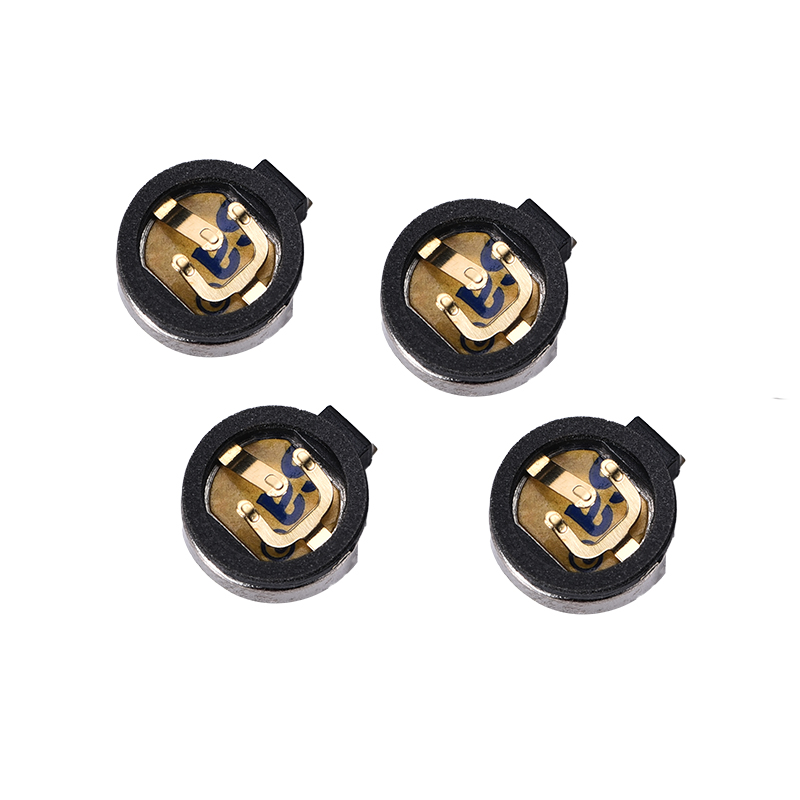
You need a second-source strategy when you want to secure your supply chain for 10 mm coin motors. Start by identifying suppliers who offer compact and low cost options with reliable haptic feedback. A second-source strategy helps you qualify new suppliers, align technical requirements, and manage risks. You must check each supplier for quality and delivery performance. Use INEED’s expertise as a benchmark for your second-source strategy. Build your second-source strategy step by step to increase supply chain resilience and reduce costs.
Key Takeaways
Implement a second-source strategy to secure your supply chain for 10 mm coin motors. This helps avoid disruptions and keeps production running smoothly.
Qualify suppliers by checking their technical specifications, quality control processes, and delivery performance. Use INEED as a benchmark for high standards.
Test coin motors from each supplier for performance and reliability. Consistent testing ensures you select the best motors for your devices.
Maintain clear contracts with both main and second-source suppliers. This defines delivery schedules and quality standards, ensuring smooth operations.
Regularly assess risks in your supply chain. Use analytics to spot vulnerabilities early and adapt your strategy to maintain resilience.
Second-Source Strategy Basics
What Is Second-Sourcing?
Second-sourcing means you select more than one supplier for a critical component. You do this to avoid supply disruptions and to keep your production running smoothly. When you use a second-source strategy, you can switch suppliers if one cannot deliver. You also gain flexibility and can compare quality and pricing. For coin motors, second-sourcing helps you maintain a steady supply for your devices.
Tip: You should always document your second-source plan. This helps you track supplier performance and manage risks.
You can follow these steps to build your second-source strategy for coin motors:
Identify reliable coin motor suppliers.
Check each supplier’s technical specifications.
Test coin motors for performance and reliability.
Review quality assurance processes.
Integrate coin motor suppliers into your supply chain.
Why It Matters for Coin Motors
Coin motors play a key role in many compact devices. You use coin motors in wearables, medical tools, and mobile gadgets. If you rely on only one coin motor supplier, you risk delays and shortages. Second-sourcing gives you backup options. You can keep your production on schedule even if one coin motor supplier faces issues.
Coin motors must meet strict standards for vibration, size, and durability. You need to test coin motors from each supplier to make sure they fit your device. Second-sourcing lets you compare coin motors and choose the best ones for your needs. You also get better pricing and can negotiate with coin motor suppliers.
Coin Motor Benefits | Second-Sourcing Advantages |
|---|---|
Compact design | Supply chain resilience |
Reliable vibration | Cost control |
Easy installation | Quality improvement |
You should always review your coin motor sourcing plan. This helps you spot risks early and improve your supply chain. Second-sourcing for coin motors protects your business and keeps your devices running.
Coin Motor Supplier Qualification
Researching Alternative Suppliers
You need to start by researching alternative suppliers for 10 mm coin motors. Look for companies that offer reliable motors with consistent performance. Check their product catalogs and review their technical specifications. Compare their motors to see if they match your requirements for vibration force, size, and durability. You should also look for suppliers who provide coin vibration erm motors for compact devices.
Create a shortlist of suppliers who have experience in producing vibration motors for wearables, medical devices, and mobile gadgets. Ask for samples and test their motors in your application. Review their customer support and delivery times. You want suppliers who respond quickly and provide technical assistance. Make sure they can supply motors in the quantities you need.
Note: You should always check if the supplier has certifications like ISO 9001 or complies with RoHS and REACH standards. These certifications show that the supplier follows strict quality and environmental guidelines.
INEED Coin Vibration Motor Overview
INEED Electronics stands out as a trusted supplier of coin vibration erm motors. The company has over ten years of experience in manufacturing micro motors for various industries. INEED offers a wide range of coin vibration motors with diameters from 7mm to 12mm, including the popular 10 mm size. You can use these motors in wearables, beauty devices, and healthcare products.
INEED’s coin vibration motors feature enclosed construction and self-adhesive tape for easy installation. You can customize lead wire lengths and connector types to fit your design. The motors operate at a rated voltage of 3V DC and reach speeds up to 10,000 RPM. INEED provides technical support and free samples for prototypes. The company maintains strict quality control throughout production, ensuring each motor meets high standards.
You can see how INEED’s 10 mm coin motors compare to other leading brands in the table below:
Feature | Other Leading Brands | |
|---|---|---|
Vibration Force | High | Varies |
Lead Wire Length | Customizable | Standardized |
Connector Type | Versatile | Limited options |
INEED’s motors offer high vibration force, customizable lead wire length, and versatile connector types. Other brands may have limited options or varying performance. You get more flexibility and reliability when you choose INEED’s coin vibration motors.
Key Qualification Criteria
You need to evaluate and qualify suppliers using clear criteria. Use INEED’s standards as a benchmark for your qualification process. Focus on these key points:
Quality Control
Check if the supplier has in-house quality control. Look for inspection processes such as material testing, first article inspection, and motor lifetime tests. INEED uses a team of quality control experts to test motors at every stage.Customization Options
Review the supplier’s ability to customize motors. You want options for lead wire length, connector type, and mounting methods. INEED offers tailored solutions for coin vibration erm motors, making it easier to fit motors into your device.Industry Experience
Choose suppliers with experience in your industry. INEED supplies motors for telecommunications, medical devices, robotics, and beauty products. Experienced suppliers understand your application needs and can provide better support.Performance Testing
Ask for performance and reliability test results. Suppliers should provide data on vibration force, speed, and durability. INEED tests motors for vibration force and lifetime, ensuring consistent performance.Certifications and Compliance
Verify certifications like ISO 9001 and compliance with RoHS and REACH. These show that the supplier meets international standards for quality and safety.Delivery and Support
Evaluate delivery times and customer support. You need suppliers who can deliver motors on time and help with technical issues. INEED offers timely delivery and technical assistance.
Tip: You should document your qualification process. Keep records of test results, certifications, and supplier communication. This helps you track supplier performance and make informed decisions.
You can use these criteria to compare suppliers and select the best partner for your coin vibration motors. INEED sets a high standard for quality, customization, and support. Use their approach as a reference when qualifying other suppliers.
Technical and Quality Alignment
Matching Coin Motor Specifications
You must match technical parameters carefully when you source a second supplier for 10 mm coin motors. Each vendor may describe vibration in different ways. Some use G-force, others use displacement, and some focus on vibration frequency and amplitude. You need to compare these metrics directly. Start by listing your device’s requirements for vibration frequency and amplitude, size, and electrical compatibility. Check that the motor fits your device’s form factor and mounting method. Confirm voltage and current ratings to avoid electrical issues. Review the operating environment, such as temperature and moisture resistance, to ensure long-term performance. Always check the rated lifespan and manufacturer reputation for reliability.
Performance and Reliability Testing
You should test each motor for consistent performance before full integration. Use the same test methods for all suppliers. Measure vibration frequency and amplitude with a vibration meter. Record G-force and displacement to compare haptic feedback. Test the motor at different voltages and loads to see how it performs in real conditions. Run lifetime tests to check durability. For battery-powered devices, measure power consumption during operation and standby. This helps you select motors that balance performance and efficiency. INEED uses strict testing protocols, including 100% inspection of key processes and motor lifetime tests, to guarantee reliable integration.
Metric | How to Measure | Why It Matters |
|---|---|---|
Vibration Frequency | Vibration meter (Hz) | Ensures correct feedback |
Amplitude (Displacement) | Displacement sensor (mm) | Matches haptic strength |
G-force | Accelerometer (G) | Normalizes vibration output |
Power Consumption | Multimeter (mA) | Checks battery efficiency |
Lifetime | Cycle test (hours/cycles) | Confirms durability |
Quality Assurance Standards
You need to align quality standards across all suppliers for smooth integration. Ask for certifications like ISO 9001 and proof of RoHS and REACH compliance. Review each supplier’s quality control process. INEED, for example, inspects materials, tests motor lifetime, and checks every key process. You should request detailed test reports and keep records for every batch. This ensures you do not compromise on performance or reliability. Regular audits and sample testing help you maintain high standards after integration. When you follow these steps, you can trust that your second-source coin motors will deliver the same vibration frequency and amplitude, efficiency, and durability as your primary source.
Supply Chain Integration
Dual-Sourcing Contracts
You need to set up clear contracts with both your main and second-source suppliers. These contracts should define delivery schedules, quality standards, and pricing. You must include terms for quick switching between suppliers if needed. This helps you avoid delays in your production line. For 10 mm coin motors, you want both suppliers to agree on technical details and supply volumes. INEED supports dual-sourcing by offering flexible agreements and reliable delivery. You can use their approach as a model for your own contracts.
Procurement and Logistics Planning
You must plan your procurement process to handle orders from two suppliers. Create a schedule that balances orders between your main and backup sources. This reduces risk and keeps your supply chain stable. You should track lead times and shipping methods for each supplier. INEED provides fast shipping and strong logistics support, which helps you keep your inventory at safe levels. Use a table to compare supplier delivery times and costs:
Supplier | Lead Time (Days) | Shipping Method | Cost per Unit |
|---|---|---|---|
INEED | 7 | Air/Sea | $X.XX |
Backup | 10 | Air | $X.XX |
Tip: Always review your logistics plan after each order cycle. This helps you spot problems early.
Inventory Management
You need to manage your inventory to avoid shortages or excess stock. Set minimum and maximum stock levels for 10 mm coin motors. Use inventory software to track usage and reorder points. This keeps your production running smoothly. INEED’s reliable delivery lets you keep lower safety stock, which saves space and cost. You should also run regular checks on your inventory to make sure you have enough motors for upcoming orders. Good inventory management supports your dual-sourcing strategy and helps you respond quickly to changes in demand.
Risk Management and Improvement
Ongoing Risk Assessment
You need to monitor risks in your supply chain for 10 mm coin motors. Supply chain fragmentation can increase logistics costs and lead times. You face challenges when disruptions occur in one region. You should use advanced intelligence frameworks to model different scenarios. These frameworks help you understand future risks and guide your investments. You can improve supply chain resilience by diversifying sourcing and establishing regional manufacturing hubs. Regular risk assessment lets you spot vulnerabilities early and adjust your strategy.
Tip: Use supply chain analytics to track sensor data and vibration patterns. This helps you detect issues before they affect production.
Supplier Audits
You must audit your suppliers to ensure consistent quality and performance. Audits help you verify that suppliers follow your standards for sensor calibration and vibration sensing. You should check their production processes and review their inventory management. You can use a checklist to evaluate each supplier:
Quality control procedures
Sensor calibration records
Vibration sensing validation
Compliance with certifications
Delivery performance
Audit Item | What to Check | Why It Matters |
|---|---|---|
Sensor calibration | Calibration logs | Ensures accuracy |
Vibration sensing | Test reports | Confirms reliability |
Inventory | Stock levels | Prevents shortages |
You should schedule audits regularly and document your findings. This helps you maintain high standards and identify areas for improvement.
Continuous Improvement
You need to focus on continuous improvement in your supply chain. You can use sensor feedback and vibration sensing data to refine your processes. Regular calibration and validation of your coin motors ensure consistent performance. You should review supplier performance after each audit and share feedback. You can invest in new sensing technologies to enhance product quality. Scenario modeling helps you plan for future risks and allocate resources wisely. You should encourage suppliers to adopt best practices and update their systems. Continuous improvement keeps your supply chain competitive and resilient.
Note: You should always update your risk management plan as your business grows. This ensures you stay ahead of new challenges.
You build a second-source strategy for 10 mm coin motors by following clear steps. You identify suppliers, qualify them, align technical requirements, integrate them into your supply chain, and manage risks. You use a structured approach to improve supply chain performance for electronics manufacturers. The table below shows how this strategy helps you:
Benefit | Explanation |
|---|---|
Reduces dependency on a single supplier, preventing disruptions. | |
Flexibility | Lets you adapt to market changes and maintain steady supply. |
Competitive Pricing | Gives you leverage for better pricing and terms. |
Reduced Lead Time | Ensures timely delivery by having multiple suppliers. |
Geographic Diversification | Minimizes risks from local disruptions by sourcing from different regions. |
You gain more value when you work with reliable partners like INEED. You reduce risks such as quality control issues, compliance problems, and reputational damage.
Trust, but verify: You use multi-stage quality control plans.
Ethical, social, and regulatory compliance risks: You ensure adherence to standards.
Reputational damage: You protect your brand by verifying practices.
You should review and adapt your sourcing strategies regularly. This keeps your supply chain strong and ready for new challenges. You support the performance of your devices in many applications. You improve the reliability of your applications. You enhance the quality of your applications. You increase the efficiency of your applications. You expand the reach of your applications. You optimize the integration of your applications. You secure the supply for your applications. You maintain the consistency of your applications. You boost the innovation of your applications. You streamline the development of your applications. You reinforce the durability of your applications. You maximize the value of your applications. You elevate the user experience of your applications. You advance the technology in your applications. You safeguard the future of your applications. You strengthen the competitiveness of your applications. You ensure the sustainability of your applications. You support the growth of your applications. You drive the success of your applications. You facilitate the scalability of your applications. You uphold the standards of your applications. You foster the adaptability of your applications. You maintain the performance of your applications. You guarantee the safety of your applications. You improve the market position of your applications. You promote the reliability of your applications. You enable the expansion of your applications.
FAQ
What is a 10 mm coin motor used for?
You use a 10 mm coin motor in devices that need vibration feedback. Common applications include wearables, medical devices, and portable electronics. The small size fits compact designs.
How do you qualify a second-source supplier?
You check technical specifications, test samples, and review certifications. You also evaluate quality control and delivery performance. Always document your findings for future reference.
Why should you consider INEED as a benchmark?
You benefit from INEED’s strict quality control, customization options, and industry experience. INEED sets high standards for reliability and support, making it a strong reference for supplier evaluation.
How do you test coin motor performance?
You measure vibration frequency, amplitude, and power consumption. You also run lifetime tests to check durability. Use the same methods for all suppliers to compare results accurately.
What certifications should a coin motor supplier have?
You should look for ISO 9001, RoHS, and REACH compliance. These certifications show the supplier meets international standards for quality and environmental safety.
See Also
Investing in Mini Brushless Motors for Precision Tasks
Selecting the Right Planetary Gear Motor for Screwdrivers
Exploring 10 Creative Uses of Mini Motors in Electronics
Selecting Battery-Powered Motors for Best Performance Configurations
Essential Specifications of Coin Vibration Motors to Understand
Get Custom Micro DC Motors from
INEED Motors!
Leading Brand in Vibration Motor Manufacturing Industry