How to Manage Lot Variation and Resonance Drift in Linear Resonant Actuators

You need to control lot variation and resonance drift to keep your actuators working reliably. Resonance drift means the shift of the actuator’s optimal vibration frequency over time or with environmental changes. You can manage these issues using several methods:
Inspect and monitor actuator batches.
Calibrate devices during production.
Use adaptive control algorithms.
Adjust for environmental factors.
INEED’s solutions give you tools and expertise to achieve stable and consistent results.
Key Takeaways
Inspect every batch of actuators to catch lot variation early. This ensures consistent performance and reduces the risk of failures.
Calibrate actuators during production to maintain optimal performance. Regular calibration minimizes the impact of resonance drift.
Use adaptive control algorithms to automatically adjust the actuator's frequency. This helps maintain stable vibration performance over time.
Monitor environmental factors like temperature and humidity. Adjust actuator settings accordingly to prevent resonance drift.
Implement real-time monitoring systems to track performance. Quick responses to deviations help maintain high quality and reliability.
Detecting Lot Variation
Inspection Methods for INEED LRAs and Coin Vibration Motors
You need to identify lot-to-lot variation to ensure your devices deliver consistent performance. INEED uses a robust quality control process that starts with careful inspection of every batch of LRAs and coin vibration motors. You can see how INEED’s approach compares to industry standards in the table below:
Method | Coefficients of Variation | Percent Deviation Threshold |
|---|---|---|
CFCA | < 10% | < 25% |
Bradford | > 25% | > 25% |
INEED applies the CFCA method, which keeps the coefficient of variation below 10%. This means you get more reliable results and fewer rejected lots. CFCA also uses a stable reference standard, so you can expect reproducible outcomes across different production sites. You do not need to worry about frequent bridging studies or lot rejections.
Tip: Always check for percent deviation in your incoming batches. Lower deviation means higher consistency.
INEED’s inspection process includes:
Tool and material inspection
Material lifetime testing
First article inspection
100% inspection of key processes and motor performance
Final and shipment inspection
These steps help you catch any variation early, so you can address issues before they affect your product.
Real-Time Monitoring Techniques
You can use real-time monitoring to detect lot variation during production and after assembly. Performance testing is key. Test each motor for vibration strength, frequency, and response time. Use process controls to track any changes in output as you assemble your devices.
You should also set up automated systems to flag any units that fall outside your set thresholds. This lets you respond quickly and maintain high quality. By combining INEED’s inspection methods with real-time monitoring, you ensure your LRAs and coin vibration motors perform reliably in every application.
Managing Lot Variation with INEED Solutions
Resonance drift happens when the optimal vibration frequency of your actuator changes over time or due to environmental factors. This can affect the performance of your device. You can control resonance drift and lot variation using several proven methods:
Calibrate each actuator during manufacturing.
Use adaptive control algorithms to track and adjust frequency.
Monitor performance in real time.
Match actuator settings to environmental conditions.
Calibration During Manufacturing
You need to calibrate every actuator to ensure consistent performance across different production lots. INEED uses a detailed calibration process that checks each step for accuracy and repeatability. The table below shows how each calibration step impacts actuator performance:
Calibration Steps | Impact on Performance |
|---|---|
Quick span check | Ensures repeatability and stability |
Record stroke time | Confirms accuracy of position feedback |
Check repeatability from both directions | Maintains performance standards |
Align scaling with PLC | Ensures consistency across production lots |
Verify linearity over working range | Reduces need for retuning and corrections |
Confirm stability after washdown | Matches lot records with targets efficiently |
By following these steps, you make sure that each actuator, such as the LRA Electrical Motor LRA2024A-1088F, meets strict quality standards. This process helps reduce the impact of lot variation and keeps resonance drift under control.
Tip: Regular calibration not only improves reliability but also reduces the need for future adjustments.
Adaptive Control Algorithms
You can further improve consistency by using adaptive control algorithms. These smart systems monitor the resonance frequency of each LRA vibration motor and adjust the drive signal automatically. For example, the LRA2024A-1088F uses back-EMF monitoring to keep the motor operating at its optimal frequency. This approach helps prevent resonance drift and ensures stable vibration performance.
Adaptive algorithms track changes in resonance frequency.
They adjust signals in real time to maintain peak performance.
Good control systems, like the honey badger algorithm, stop motors from overworking or underperforming.
These features lead to more stable and consistent vibrations.
With these solutions, you can trust that your actuators will deliver reliable results, even as conditions change.
Resonance Drift Control Strategies
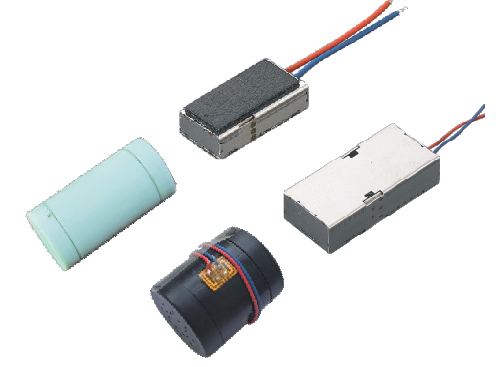
Resonance drift means the shift of an actuator’s optimal vibration frequency over time or due to changes in the environment. This shift can reduce the efficiency and reliability of your linear resonant actuators (LRAs). You need to control resonance drift to keep your devices working at their best.
Here are the main methods you can use to control resonance drift:
Adjust the drive frequency dynamically to match the actuator’s current resonance.
Use environmental compensation methods to stabilize performance.
Monitor actuator performance and recalibrate as needed.
Select proper mounting and materials to reduce environmental effects.
Proper tuning and damping of LRAs prevent mechanical resonance issues. If you do not manage resonance drift, you risk component failure and reduced operational efficiency in consumer electronics. You must pay close attention to this factor when designing and maintaining your devices.
Dynamic Frequency Adjustment for INEED LRAs
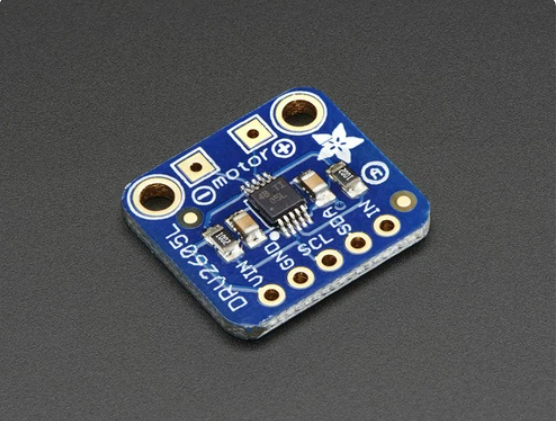
You can use dynamic frequency adjustment to keep your LRAs operating at their optimal point. This method tracks the actuator’s resonance in real time and adjusts the drive signal to match any changes. INEED’s LRA products, such as the LRA Electrical Motor LRA2024A-1088F, support this approach. These actuators work best when paired with advanced driver ICs like the DRV2605.
The DRV2605 driver monitors the back-EMF signal from the actuator. It uses this feedback to detect shifts in resonance frequency. When resonance drift occurs, the driver automatically changes the output frequency. This keeps the actuator running at peak efficiency and prevents performance loss.
Tip: Use drivers with closed-loop control to maintain stable vibration even as conditions change.
Dynamic frequency tracking helps you avoid problems caused by resonance drift. Your devices will deliver consistent haptic feedback, even after long periods of use or exposure to different environments.
Environmental Compensation Methods
Environmental factors such as temperature and humidity can cause resonance drift in LRAs. You need to use compensation methods to keep your actuators stable.
Temperature changes can alter the mechanical properties of actuator materials. This affects how your LRA performs.
Humidity can let moisture enter the actuator, which may damage electrical insulation and degrade signals.
Calibration drift can happen when the environment changes, shifting sensor baselines and actuator responses.
You can use climate-resilient materials and closed-loop control algorithms to keep performance steady.
Mounting methods also play a key role in controlling resonance drift. Consider these best practices:
Use adhesive mounting if you cannot drill into the device.
Cementing pads help achieve high-frequency vibration.
Choose adhesives that last a long time.
Prepare the mounting surface by removing paint and debris. Grind it flat before applying adhesive.
Match your mounting method to your vibration needs and the device’s environment.
By following these steps, you can reduce the impact of resonance drift. Your INEED vibration motors will stay reliable, even in tough conditions.
Note: Regular monitoring and recalibration help you catch and correct resonance drift early.
You can trust INEED’s products and recommended drivers to support dynamic frequency tracking and environmental compensation. These strategies help you maintain consistent actuator performance and extend the life of your devices.
Best Practices for Consistent Performance
Quality Assurance with INEED Motors
You want your devices to work reliably every time. INEED helps you achieve this with a strong quality assurance process. The company checks every step, from raw materials to final shipment. You benefit from these protocols:
Tool and Material Inspection: INEED inspects all tools and materials before production starts.
Material Lifetime Testing: The team tests materials to ensure they last as expected.
First Article Inspection: Engineers check the first units from each batch for accuracy.
100% Key Process Inspection: Every critical step gets checked for performance.
Final and Shipment Inspection: INEED tests each motor before it leaves the factory.
Tip: Consistent inspection and testing catch problems early, so you avoid costly failures later.
The table below shows how these steps support quality:
Step | Benefit |
|---|---|
Tool Inspection | Prevents early defects |
Material Lifetime Test | Ensures long-term reliability |
First Article Inspection | Confirms batch consistency |
100% Key Process Inspection | Maintains high performance |
Final Inspection | Guarantees shipment quality |
Firmware and Hardware Design Tips
You can improve actuator performance by following smart design practices. Start by understanding resonance drift. Resonance drift means the actuator’s best vibration frequency changes over time or with the environment.
Control resonance drift with these methods:
Calibrate actuators during production.
Use adaptive algorithms to track frequency.
Monitor performance in real time.
Adjust for temperature and humidity.
Choose stable mounting and materials.
For firmware, set up closed-loop control using drivers like the DRV2605. Monitor back-EMF signals to adjust frequency automatically. For hardware, use secure mounting and shield sensitive parts from moisture. Select adhesives and pads that match your application.
Note: Regular updates to firmware and routine recalibration help keep your devices running smoothly.
By combining INEED’s quality assurance with these design tips, you ensure your vibration motors deliver consistent, reliable performance in every application.
Resonance drift means the best vibration frequency of your actuator changes over time or with the environment. You can control resonance drift and lot variation by following these steps:
Calibrate actuators during production.
Use adaptive algorithms for real-time frequency tracking.
Monitor performance and adjust for environmental changes.
Ongoing monitoring gives you diagnostic feedback and helps you spot issues early. Calibration and smart control reduce energy use and heat, which extends actuator life. INEED’s solutions help you achieve reliable, long-lasting performance in every application.
FAQ
What is resonance drift in LRAs?
Resonance drift means the actuator’s best vibration frequency changes over time or with the environment.
Control methods:
Calibrate during production
Use adaptive algorithms
Monitor in real time
Adjust for temperature and humidity
How do you detect lot variation in vibration motors?
You check for lot variation by inspecting each batch. You test vibration strength, frequency, and response time. INEED uses 100% inspection and performance testing to catch any differences early.
Why is calibration important for LRAs?
Calibration ensures each actuator works at its best. You reduce performance differences between batches. Regular calibration helps you avoid issues with resonance drift and keeps your devices reliable.
Which driver ICs work best with INEED LRAs?
You get the best results using driver ICs like the DRV2605. These drivers track resonance frequency and adjust signals automatically. This keeps your actuator running at peak performance.
How can you keep vibration motors stable in different environments?
You use climate-resistant materials and closed-loop control. You mount actuators securely and check for moisture. Regular monitoring and recalibration help you keep performance steady, even with temperature or humidity changes.
See Also
Evaluating Different LRA Types for Your Product Needs
Managing Resonance Frequency in Vibration Motors for Consistent Performance
Enhancing Resonance Frequency in LRA Motors for Optimal Efficiency
Exploring Resonant Systems and Their Impact on Motor Efficiency
Improving LRA Motors for Effective Vibrating Object Applications
Get Custom Micro DC Motors from
INEED Motors!
Leading Brand in Vibration Motor Manufacturing Industry