Qualifying LRA vibration motor Suppliers from Prototype to Field Use

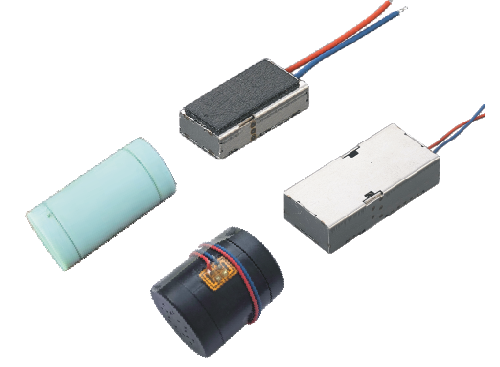
You depend on your LRA vibration motor supplier for consistent device performance. Careful qualification of your supplier helps you avoid failures in the field and costly redesigns. Missing this step can lead to quality issues or supply chain interruptions. INEED brings years of experience and strict quality control to every project. You gain peace of mind when you choose a supplier who values reliability and supports your product through every stage.
Key Takeaways
Choose suppliers who prioritize reliability and offer ongoing technical support. This ensures your product performs well and avoids costly redesigns.
Evaluate key performance metrics like precision engineering and material selection. These factors directly impact the durability and efficiency of your LRA vibration motors.
Request prototype samples and thorough documentation. Testing samples in real-world conditions helps you validate performance and avoid surprises during production.
Conduct regular supplier reviews and audits. This practice helps maintain high standards and ensures consistent quality throughout your project.
Focus on compliance with industry standards. Suppliers meeting these standards enhance safety, reliability, and market acceptance for your devices.
Qualification Criteria for LRA Vibration Motor Suppliers
Choosing the right supplier for linear resonant actuators shapes the success of your product from the earliest prototype to final field use. You need to evaluate several critical factors to ensure your devices deliver reliable tactile feedback and meet industry expectations.
Key Performance Metrics for Linear Resonant Actuators
When you assess linear resonant actuators, focus on the performance metrics that matter most for your application. These metrics help you predict how the actuator will perform in real-world conditions, especially in demanding environments like wearable devices and medical equipment.
Precision engineering: This ensures the actuator maintains its resonance frequency and delivers consistent vibration.
Material selection: High-quality materials, such as neodymium magnets and copper windings, improve durability and efficiency.
Testing standards: Rigorous tests for stress, thermal cycling, and humidity confirm reliability and compliance.
Electrical safety: Proper circuit design and safety certifications protect users from electrical faults.
Heat management: Effective thermal design prevents overheating, which is crucial for user comfort in wearables.
Suppliers demonstrate their ability to meet these metrics through advanced engineering and manufacturing practices. The table below shows how leading suppliers address key focus areas:
Key Focus Area | Description |
|---|---|
Spring Engineering & Stress Analysis | Balances flexibility and durability to ensure reliable performance. |
Electromagnetic Field Optimization | Enhances efficient force generation for improved performance metrics. |
Vibration Force Control | Ensures consistent performance and extends the lifespan of the actuators. |
You should also look for suppliers who use patented technology to deliver innovative and energy-efficient linear resonant actuators. This commitment to technology innovation directly improves user experience in electronic devices.
Supplier Capabilities and Certifications (INEED Example)
A qualified supplier must offer more than just a catalog of products. You need a partner who can customize solutions and provide technical support throughout your project. INEED stands out by offering a wide range of linear resonant actuators, including models designed for wearables, medical devices, and consumer electronics.
INEED’s quality control process covers every stage, from material inspection to final shipment. The company’s certifications reflect a strong commitment to quality and environmental responsibility:
Certification | Year |
|---|---|
ISO9001 | 2015 |
ISO14001 | 2015 |
ISO45001 | 2015 |
You benefit from INEED’s ability to deliver free samples for prototypes, fast turnaround times, and bulk production capacity. Their skilled team supports you with technical advice and custom engineering, ensuring your lra vibration motor meets your exact requirements.
Tip: Always choose a supplier who can adapt to your needs and provide ongoing technical support. This flexibility helps you avoid costly redesigns and ensures your product performs as expected.
Compliance with Industry Standards
Compliance with international standards is essential for safety, reliability, and market acceptance. You should verify that your supplier meets or exceeds the requirements set by organizations like IEC and NEMA. The table below highlights why compliance matters:
Compliance Aspect | Importance in Supplier Selection |
|---|---|
Adherence to IEC and NEMA | Indicates commitment to quality management and safety |
Certifications | Builds trust and reliability among buyers |
INEED’s products comply with REACH and RoHS regulations, ensuring environmental safety and global market access. This level of compliance gives you confidence that your linear resonant actuators will meet regulatory demands and customer expectations.
By focusing on these qualification criteria, you set your project up for success. You ensure that your devices deliver reliable tactile feedback, meet safety standards, and satisfy end users in every application.
Evaluating Suppliers During Prototyping
Prototype Sample Assessment and Documentation
You start your supplier evaluation by requesting prototype samples. This step lets you test the lra vibration motor in your device and see how it performs. Reliable suppliers, like INEED, offer free samples and clear documentation. You should check each sample for quality and consistency. Here are some best practices:
Request product certifications and test reports for every sample.
Negotiate sample batches before placing full orders.
Inspect incoming shipments for damage or performance variance.
Establish return policies for defective units.
Test sample units in real-world conditions to validate performance.
Thorough documentation helps you track each sample’s specifications and test results. You record vibration force, frequency, and battery life. This process ensures you get accurate tactile feedback and avoid surprises during production.
Technical Support and Communication (INEED’s Approach)
You need strong technical support during prototyping. INEED provides responsive communication and customization options. The table below shows how suppliers can tailor linear resonant actuators to your project:
Customization Aspect | Details |
|---|---|
Vibration Intensity | Adjustable to meet specific needs |
Frequency | Customizable for different applications |
Duration | Tailored to project requirements |
Operating Voltage | Can be customized to match device power |
You test motors in your device, measure vibration force and frequency, and adjust drive voltage. You record user experience and battery life. Responsive support helps you solve problems quickly and refine your design.
Tip: Choose suppliers who answer questions fast and help you customize motors. This support makes prototyping easier and improves your final product.
Early Quality Control Checks
You perform early quality checks to catch issues before production. INEED uses in-house inspection for every prototype. You check for consistent vibration, stable frequency, and reliable operation. Early checks prevent costly mistakes and ensure your linear resonant actuators meet your standards.
Scaling to Pre-Production with Linear Vibration Motors
Batch Consistency and Repeatability
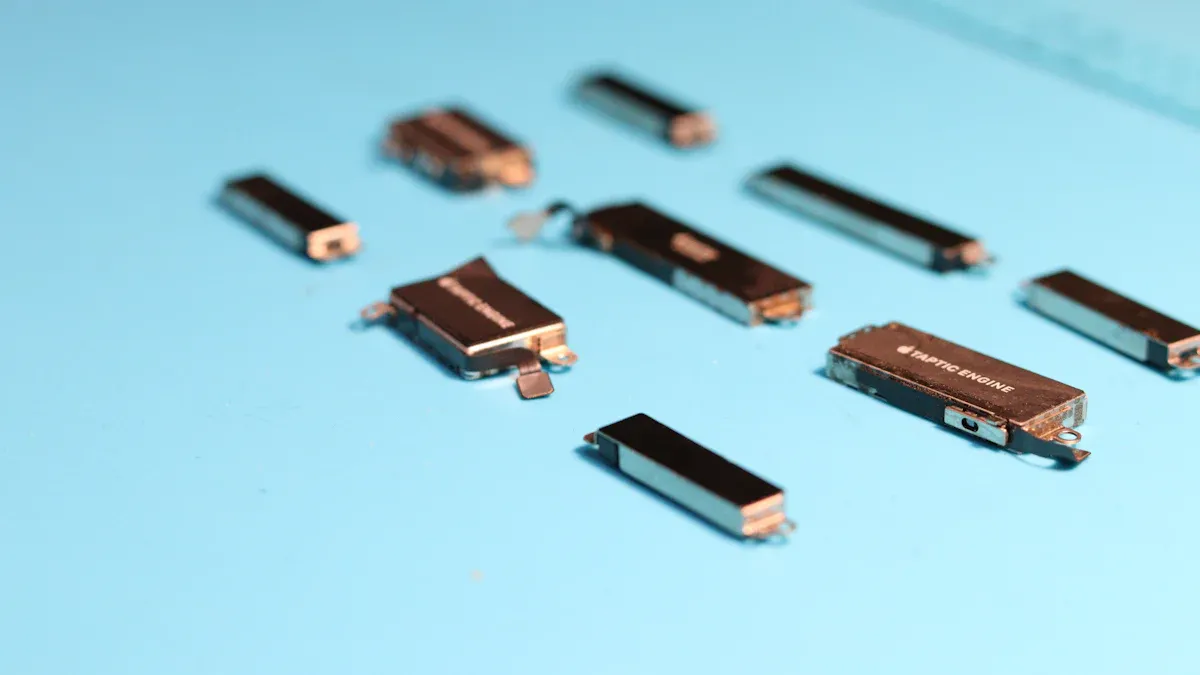
When you move from prototyping to pre-production, you need to make sure every lra vibration motor performs the same way. Consistency in each batch means your devices will deliver reliable tactile feedback to users. You can use several calibration steps to check for repeatability and stability. The table below shows common steps and their impact:
Calibration Steps | Impact on Performance |
|---|---|
Quick span check | Ensures repeatability and stability |
Record stroke time | Confirms accuracy of position feedback |
Check repeatability from both directions | Maintains performance standards |
Align scaling with PLC | Ensures consistency across production lots |
Verify linearity over working range | Reduces need for retuning and corrections |
Confirm stability after washdown | Matches lot records with targets efficiently |
You also benefit from adaptive control algorithms. These monitor the resonance frequency and adjust the drive signal automatically. For example, the LRA2024A-1088F uses back-EMF monitoring to prevent resonance drift. This technology helps you maintain optimal performance across all units.
Process Audits and On-Site Evaluation
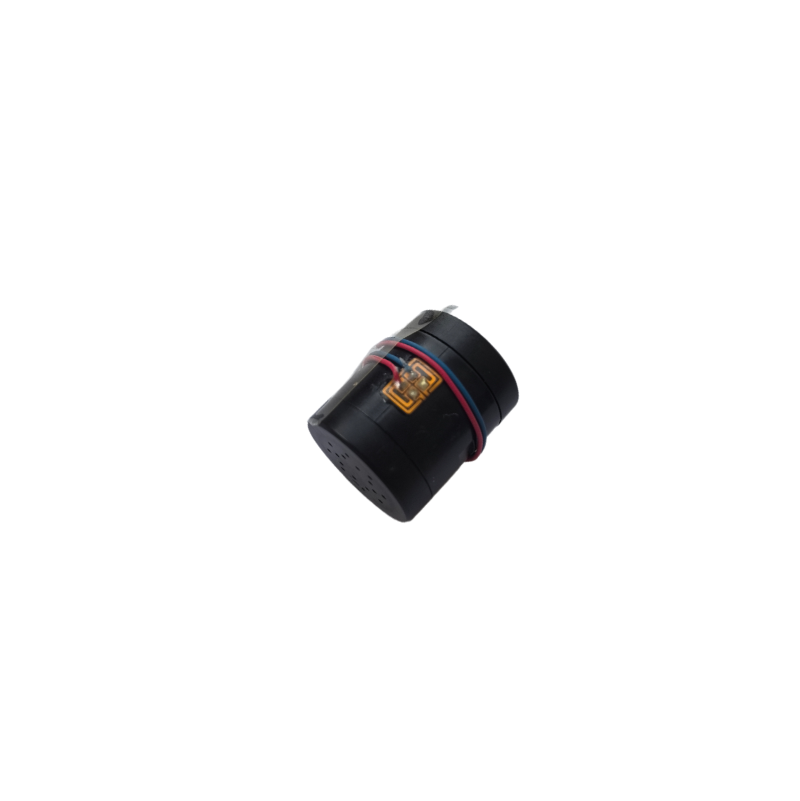
You should conduct process audits and on-site evaluations before scaling up. These checks let you see how suppliers manage quality and automation. INEED uses advanced production lines with 60% automation. Their team inspects every stage, from material selection to final testing. You can review their calibration records and observe how they handle batch testing. This hands-on approach helps you catch issues early and ensures each linear resonant actuator meets your standards.
Note: Regular audits and on-site visits help you build trust with your supplier and keep your production on track.
Supply Chain Reliability (INEED Case Study)
Reliable supply chains are key for smooth pre-production. INEED’s annual capacity of 18 million units and strong logistics management help you avoid delays. Long-term partnerships with trusted suppliers reduce the risk of disruptions and keep batch quality high.
A real-world example comes from INEED’s work with a wearable smart device company. The customer needed a motor that could pass strict durability and moisture tests. INEED provided a custom solution, adjusted the connection mode, and delivered consistent batches on time. This approach helped the customer launch their product without costly redesigns or delays.
By focusing on batch consistency, process audits, and supply chain reliability, you set your project up for success as you scale to pre-production.
Field Use Qualification for LRA Vibration Motors
Reliability and Environmental Testing
You need to confirm that your lra vibration motor will perform reliably in real-world conditions. Start by checking if your supplier uses rigorous reliability and environmental tests. INEED conducts lifetime service tests, free fall drops, and moisture resistance checks on every batch. These tests help you predict how the motor will handle daily use in wearables or medical devices. When you select linear resonant actuators that pass these tests, you reduce the risk of device failure and improve user satisfaction with tactile feedback.
Field Performance Monitoring and Feedback
After you launch your product, keep monitoring how the lra vibration motor performs in the field. Collect feedback from users in industries like wearables and healthcare. For example, INEED’s motors in smartwatches have received positive reviews for consistent vibration and long battery life. You can use this feedback to spot trends, identify potential issues, and make improvements. Real-world data helps you fine-tune vibration motor technology and deliver better tactile feedback in future models.
Ongoing Supplier Reviews
You should review your supplier’s performance regularly to maintain high standards. Consider these best practices:
Compare multiple suppliers for technical support, lead times, and warranty terms.
Choose motors with global certifications such as CE, RoHS, and UL.
Build strong relationships with manufacturers who offer scalability and consistent quality.
Routine maintenance also plays a role in long-term reliability. The table below shows important practices for keeping your vibration motors in top condition:
Maintenance Practice | Description |
|---|---|
Minimal Maintenance Required | LRA actuators need little upkeep, but periodic checks ensure reliability. |
Connection Checks | Inspect solder joints and wiring, especially in high-vibration settings. |
Cleaning and Debris Prevention | Keep the area clean to avoid movement issues and short circuits. |
Environmental Protection | Use protective measures in harsh environments for longer life. |
Technical Support | Get help from manufacturers for troubleshooting and updates. |
Pro Tip | Use diagnostic routines to detect early signs of failure. |
By following these steps, you ensure your lra vibration motor continues to deliver reliable tactile feedback and supports your product’s success in the field.
Common Pitfalls in Supplier Qualification
When you qualify LRA vibration motor suppliers, you must avoid common mistakes that can impact your product’s performance and reliability. Learning from these pitfalls helps you build stronger partnerships and ensures your devices deliver consistent tactile feedback.
Overlooking Long-Term Reliability
You might focus on initial test results and miss long-term reliability. Motors can perform well in early trials but fail after extended use. You should ask suppliers for lifetime test data and real-world case studies. INEED, for example, conducts rigorous lifetime and environmental tests. Their motors pass free fall and moisture resistance checks. You can request detailed reports and compare them with your application needs.
Tip: Always review reliability data from multiple batches, not just prototypes. This practice helps you predict performance over the device’s lifespan.
Ignoring Supply Chain Risks
Supply chain disruptions can delay your project or lead to inconsistent quality. You must evaluate your supplier’s production capacity, logistics, and backup plans. INEED maintains strong partnerships and manages an annual capacity of 18 million units. They track shipments and use automated production lines. You can ask for supply chain audit records and monitor delivery timelines.
Risk Factor | How to Avoid It |
|---|---|
Single-source supply | Use suppliers with backups |
Poor logistics | Track shipments regularly |
Limited capacity | Confirm production scalability |
Incomplete Documentation
Missing or unclear documentation can cause confusion and errors during production. You need complete records for every motor, including test reports, certifications, and batch numbers. INEED provides thorough documentation and transparent communication. You should organize all documents and update them as your project evolves.
Note: Clear documentation supports troubleshooting and warranty claims. It also helps you maintain quality standards across production cycles.
By avoiding these pitfalls and following a structured qualification process, you ensure your devices deliver reliable performance. You can use INEED’s comprehensive approach as a benchmark for supplier evaluation.
You can qualify LRA vibration motor suppliers by following a clear, step-by-step process. Start by evaluating research and simulation capabilities. Next, assess material science expertise and core technologies. Verify manufacturing standards and scalability. Analyze the supplier’s experience with different applications. Audit certifications and review past performance. This approach ensures long-term reliability and strong performance. INEED’s proven methods set a high standard. Apply these best practices to your next project for dependable results.
FAQ
What is a linear resonant actuator (LRA) and how does it create haptic feedback?
You use a linear resonant actuator to generate haptic feedback in devices. The LRA moves a mass with a voice coil and spring. This movement creates precise vibrations. You feel these vibrations as haptic signals in wearables, phones, or controllers.
Why should you choose an LRA vibration motor for haptic applications?
You select an LRA vibration motor for haptic feedback because it offers fast response, stable frequency, and low power use. These features make your haptic alerts more accurate and reliable. You improve the user experience in smart devices with this technology.
How do you test haptic performance during prototyping?
You test haptic performance by installing the LRA in your device. You measure vibration strength, frequency, and battery life. You also ask users to describe the haptic feel. This process helps you adjust the haptic settings for the best results.
What industries use haptic feedback from LRA vibration motors?
You find haptic feedback in many industries. Wearables, medical devices, gaming, and mobile phones all use LRA vibration motors. These industries rely on haptic signals to alert users, guide actions, or enhance digital experiences.
How do you maintain haptic quality in field use?
You keep haptic quality high by checking vibration motors regularly. You monitor user feedback and test devices in real conditions. You also work with suppliers who provide reliable haptic solutions and support. This approach ensures your haptic feedback stays strong over time.
See Also
LRA Vibration Motors: Key Elements Driving Today's Haptic Feedback
Understanding Frequency And Vibration: Key Factors For LRA Motors
Enhancing LRA Vibration Motors Through Resonance Frequency Optimization
3V Motors: A Comprehensive Guide For ERM Vibration Applications
Get Custom Micro DC Motors from
INEED Motors!
Leading Brand in Vibration Motor Manufacturing Industry