How Does a Linear Magnetic Haptic Actuator Generate Tactile Feedback

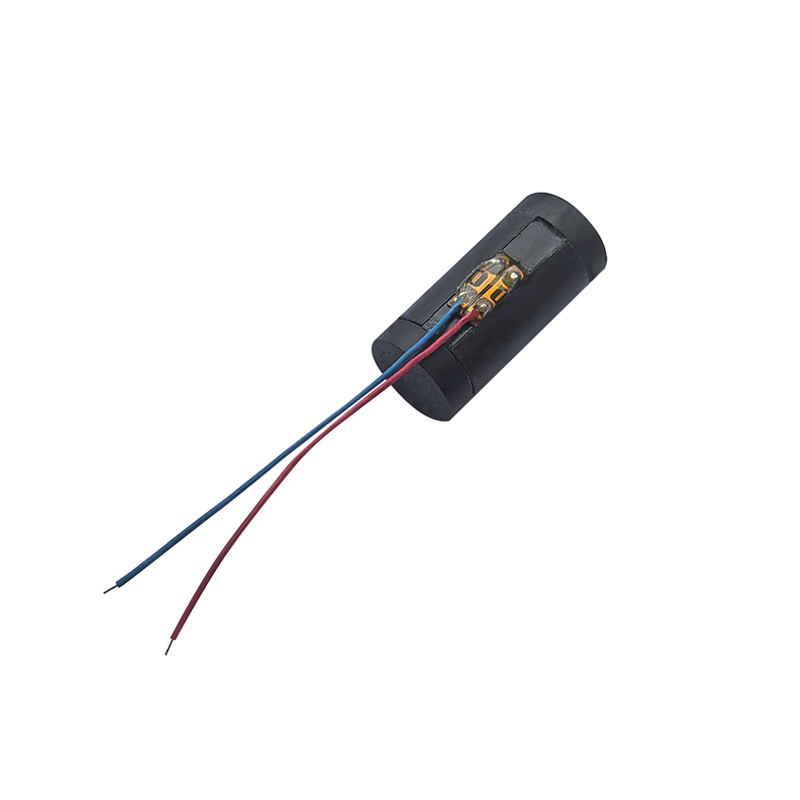
When you feel your phone buzz in your hand, you experience haptics in action. A linear magnetic haptic actuator makes this possible by turning electrical energy into a physical vibration that you can sense. You might wonder what causes that clear, precise feedback. Understanding this simple mechanism helps you see how modern devices create lifelike touch sensations.
Key Takeaways
A linear magnetic haptic actuator turns electrical energy into vibrations, enhancing your device's touch feedback.
The MAG1020BEL40 actuator from INEED offers fast response times, with vibrations starting in just 35 milliseconds.
This actuator uses magnetic levitation for quiet operation and longer lifespan, making it reliable for various devices.
You can experience a wide range of tactile sensations, from gentle taps to strong pulses, thanks to its broad frequency response.
Choosing devices with the MAG1020BEL40 ensures a more immersive and satisfying user experience in gaming, wearables, and medical tools.
What Is a Linear Magnetic Haptic Actuator
Definition and Basics
A linear magnetic haptic actuator is a device that creates vibrations you can feel. You find this technology in many modern gadgets that use haptics to give you touch feedback. When you press a button on a touchscreen or play a game, the device uses a linear magnetic haptic actuator to make the experience more lifelike.
This actuator works by moving a small mass back and forth in a straight line. It uses a fixed coil and a permanent magnet. When electricity flows through the coil, it interacts with the magnet. This causes the mass to vibrate in a linear motion. The design is similar to how a speaker moves air to create sound, but here, it creates a vibration you can sense. Linear resonant actuators use this principle to deliver strong and clear tactile feedback, especially when they operate at their resonant frequency.
You see linear magnetic haptic actuators in smartphones, game controllers, and wearable devices. They help you feel every tap, buzz, or alert. These actuators make haptics more precise and enjoyable.
INEED’s Role in Haptic Technology
INEED stands out as a leader in the field of haptics. The company has spent years developing advanced solutions for touch feedback. One of its top products is the MAG1020BEL40 linear magnetic haptic actuator. This product uses magnetic levitation to create smooth, quiet, and reliable vibrations.
You benefit from INEED’s focus on quality and innovation. The MAG1020BEL40 offers a wide range of vibration strengths and quick response times. It fits perfectly in devices that need high-performance haptics, such as VR headsets, medical tools, and smart wearables. INEED’s expertise ensures that you get the best tactile experience possible, whether you use a phone, a game controller, or a smartwatch.
Tip: When you choose a device with a linear magnetic haptic actuator from INEED, you enjoy more realistic and satisfying touch sensations.
Key Components and Structure
Magnet, Coil, and Spring
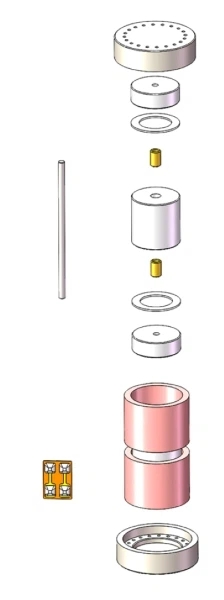
You find three main parts inside a linear resonant actuator: the magnet, the coil, and the spring. The magnet sits at the center of the actuator. The coil wraps around or near the magnet. The spring connects these parts and helps the moving mass return to its original position after each vibration. When you send an electrical signal to the coil, it creates a magnetic field. This field pushes or pulls the magnet, causing the mass to move back and forth. The spring keeps the movement smooth and controlled. This setup lets the actuator create precise vibrations for haptics in your devices.
The linear resonant actuator uses this simple structure to deliver strong and clear tactile feedback. You experience this every time your device vibrates in response to a touch or alert. The design allows for quick and accurate movements, making haptics feel more lifelike.
MAG1020BEL40 Design Features
The MAG1020BEL40 from INEED stands out among linear resonant actuators. You get advanced features that improve both performance and reliability. Magnetic levitation technology removes friction between moving parts. This means the actuator lasts longer and needs almost no maintenance. You can trust it to work well in devices that run for long periods or are hard to access.
Here is a table showing what makes the MAG1020BEL40 unique:
Feature | Description |
|---|---|
Broader Frequency Response | Effective bandwidth of 50Hz - 200Hz, covering a wide range of tactile scenarios. |
Faster Response Speed | Rise time of 35ms and fall time of 50ms, providing near-instant tactile feedback. |
Stronger Vibration Acceleration | Generates up to 2.0±0.5Gp-p vibration magnitude for immersive haptics. |
Frictionless & Quiet Operation | Maglev motor design minimizes friction and noise for a smooth experience. |
Enhanced Stability & Durability | Magnetic circuit boosts driving force by 35%, ensuring consistent performance and long lifespan. |
You benefit from these features in many ways. The actuator delivers a wide range of haptics, from gentle taps to strong pulses. The frictionless design keeps the actuator quiet and stable, even after millions of cycles. You can rely on the MAG1020BEL40 linear resonant actuator for high-quality tactile feedback in any application.
How Linear Magnetic Haptic Actuators Work
Electrical Signal to Motion
You might wonder what happens inside your device when you tap a screen and feel a quick buzz. The answer lies in the way a linear magnetic haptic actuator turns electrical energy into motion. This process happens in a few clear steps. The MAG1020BEL40 actuator from INEED uses advanced technology to make this process fast and reliable.
Here is a simple table that shows how the actuator works step by step:
Step | Description |
|---|---|
1 | Electromagnetic Force Generation: When you apply voltage to the coil, an AC current flows and creates a changing magnetic field around the coil. |
2 | Magnetic Interaction: The changing magnetic field interacts with the permanent magnets inside the actuator. This interaction generates a force that starts the movement. |
3 | Resonance: The actuator works at its resonant frequency. This makes the movement stronger and more efficient, so you feel a clear vibration. |
You can see that the actuator uses both electricity and magnetism to create motion. The coil and magnet work together to move a small mass back and forth. The spring helps the mass return to its starting point after each movement. This design lets the actuator create precise and repeatable vibrations every time you need haptics.
The MAG1020BEL40 actuator responds quickly to electrical signals. You get fast feedback because the actuator has a rise time of just 35 milliseconds and a fall time of 50 milliseconds. The broad frequency range, from 50Hz to 200Hz, means the actuator can create many types of vibration patterns. This makes your device feel more responsive and lifelike.
The MAG1020BEL40 actuator is built for rapid response.
It works across a wide frequency range, so it can handle different signals.
This design gives you both speed and precision in haptics.
Creating Tactile Haptics
You experience haptics when the actuator turns its motion into a physical sensation. The actuator produces vibration by moving a mass inside the device. This movement pushes against the device’s surface, which you feel as feedback in your hand or finger.
The actuator can create different types of feedback by changing the frequency and strength of the vibration. For example, a quick, sharp buzz can signal a tap, while a longer, stronger vibration can alert you to a message. The MAG1020BEL40 actuator can generate up to 2.0±0.5Gp-p in vibration strength. This gives you a wide range of sensations, from gentle taps to strong pulses.
You might notice that haptics in your device feel smooth and quiet. The MAG1020BEL40 uses magnetic levitation, which removes friction between moving parts. This means the actuator lasts longer and needs almost no maintenance. You get consistent feedback, even after many uses.
Here is a comparison of the MAG1020BEL40 actuator with another actuator:
Feature | LRA2024A-1088F | MAG1020BEL40 |
|---|---|---|
Frequency Range | 30Hz – 500Hz | 50Hz – 200Hz |
Response Time | 55ms (rise), 80ms (fall) | 35ms (rise), 50ms (fall) |
Vibration Strength | 1.2 Grms (minimum) | Up to 2.0±0.5Gp-p |
Lifespan | 1,000,000+ cycles | 1,200,000 cycles |
Maintenance | Minimal (sealed design) | Virtually none (frictionless) |
Integration | Compact, easy to control, precise | Compatible with LRA drivers, robust |
You get reliable haptics every time you use your device. The actuator’s design means you feel feedback that is both strong and accurate. The broad frequency range lets you experience many types of vibration, making your device more interactive.
Note: The MAG1020BEL40 actuator works well in devices that need fast, quiet, and powerful haptics. You can find this technology in VR controllers, smartwatches, and medical tools.
You now know how a linear magnetic haptic actuator turns electrical signals into the tactile feedback you feel. This process makes your interactions with devices more engaging and realistic.
INEED Product Advantages in Haptics
Performance and Reliability
You want haptics that feel instant, strong, and reliable. The MAG1020BEL40 actuator delivers these qualities in many haptic applications. When you compare this actuator to traditional types like ERM, LRA, or piezo, you notice several advantages. You get a fast response every time you interact with your device. The actuator starts vibrating in just 35 milliseconds and stops in 50 milliseconds. This quick action makes your device feel more responsive.
Response Time | Duration |
|---|---|
Rise Time | 35 ms |
Fall Time | 50 ms |
You also want your device to last. The MAG1020BEL40 actuator has a tested lifespan of 1,200,000 cycles. This means you can use your device for a long time without worrying about the vibration wearing out.
Actuator Model | Tested Lifespan (cycles) |
|---|---|
LRA2024A-1088F | 1,000,000+ |
MAG1020BEL40 | 1,200,000 |
You experience quiet operation because the actuator uses magnetic levitation. This design reduces friction and noise. You also benefit from a broad frequency range, which lets you feel many types of vibration feedback.
The MAG1020BEL40 actuator operates within a frequency range of 50Hz to 200Hz for haptic feedback.
You get consistent haptic performance in every application. The actuator provides strong, clear vibration for all your haptic needs.
Application Scenarios
You find the MAG1020BEL40 actuator in many advanced applications. In VR and AR devices, you feel lifelike haptics that match what you see on the screen. The actuator creates precise vibration patterns that make virtual experiences more real.
In wearable devices, you enjoy targeted tactile sensations. Multiple actuators can be placed in different spots to match touch locations. You get features like actuator arrays, segmented feedback zones, and coordinated control. These features create the feeling of movement or direction on your skin. This makes your smartwatch or fitness band more interactive and fun to use.
In medical devices, you rely on accurate and reliable haptic feedback. The MAG1020BEL40 actuator gives you faster response times, higher vibration performance, and a longer lifespan than many standard actuators.
Feature | Specification |
|---|---|
Lifespan | 1.2M cycles |
Response Time | 35 ms to start, 50 ms to stop |
Vibration Performance | Higher than standard actuators |
Faster response times
Higher vibration performance
Longer lifespan
You see this actuator in many applications, such as game controllers, handheld consoles, and touchscreens. Each application benefits from the actuator’s strong haptic performance and reliable operation. You get a better user experience in every application that uses the MAG1020BEL40 actuator.
You now know what makes linear magnetic haptic actuators create the tactile feedback you feel. The MAG1020BEL40 stands out with features like a broad frequency range, fast response, and frictionless operation:
Feature | Description |
|---|---|
Broader Frequency Response | 50Hz - 200Hz for many tactile scenarios. |
Faster Response Speed | 35ms rise, 50ms fall for instant feedback. |
Stronger Vibration Acceleration | Up to 2.0±0.5Gp-p for immersive haptics. |
Frictionless & Quiet Operation | Maglev design for smooth, quiet use. |
Enhanced Stability & Durability | 1.2 million-cycle lifespan. |
You can expect more from haptic technology in the future:
Demand in smartphones and electronics will rise
Automotive and VR/AR uses will expand
Actuators will become thinner and more flexible
INEED continues to lead with reliable, innovative solutions.
FAQ
What is the main advantage of a linear magnetic haptic actuator?
You get fast, precise, and quiet tactile feedback. The actuator uses magnetic levitation, which reduces friction and noise. This design gives you a longer-lasting and more reliable haptic experience.
What devices use the MAG1020BEL40 actuator?
You find the MAG1020BEL40 in VR controllers, smartwatches, medical tools, and gaming devices. These products need strong, responsive, and realistic haptic feedback.
What makes the MAG1020BEL40 actuator different from other actuators?
The MAG1020BEL40 uses magnetic levitation. You experience frictionless operation, a broad frequency range, and a longer lifespan. This actuator also works with standard LRA drivers.
What should you consider when choosing a haptic actuator?
You should look at response time, vibration strength, frequency range, and durability. Make sure the actuator fits your device’s needs and supports the feedback you want to deliver.
See Also
The Advantages Of Linear Vibration Motors For Haptic Feedback
Understanding The Functionality Of Vibration Motors In Haptics
Exploring Haptic Feedback And Its Impact On User Experience
LRA Vibration Motors: Key Elements Behind Haptic Feedback Technology
Haptic Vibration Technology: Analyzing Mechanisms And Their Uses Today
Get Custom Micro DC Motors from
INEED Motors!
Leading Brand in Vibration Motor Manufacturing Industry