ERM vs LRA Motors: Practical Differences for OEM Haptics


ERM and LRA motors serve as the foundation for haptic feedback in OEM devices. Engineers see that ERM vs LRA Motors differ in start-up time, power consumption, and vibration quality. Selecting the right haptic motor elevates device integration and user satisfaction. INEED delivers trusted vibration motor solutions that support precise design needs.
Feature | ERM (Eccentric Rotating Mass) | LRA (Linear Resonant Actuator) |
|---|---|---|
Start-up Time | Slow (100 to 200ms) | 50ms Max |
Vibration Complexity | Less complex | More directed and cleaner |
Frequency Range | Wider | 50 to 300 Hz |
Amplitude Flexibility | Limited | More flexible |
Key Takeaways
ERM motors provide strong, basic haptic feedback, making them ideal for cost-sensitive applications like pagers and entry-level wearables.
LRA motors deliver precise and rapid haptic sensations, enhancing user experience in advanced devices such as smartwatches and fitness trackers.
Consider the startup time: ERM motors take 100-200 ms, while LRA motors respond 50ms Max, making LRAs better for quick feedback.
Power consumption is higher for both motor types compared to piezo actuators, but LRAs are generally more efficient during operation.
INEED offers customizable solutions for both ERM and LRA motors, allowing OEMs to tailor haptic feedback to specific device needs.
ERM vs LRA Motors: Key Differences
Operating Principles of ERM and LRA
Engineers often compare erm vs lra motors when designing haptic actuators for OEM devices. ERM motors use an eccentric rotating mass to generate vibrations. The mass spins inside the actuator, creating two-dimensional movement. This design produces strong vibrations and allows for a broad frequency range. LRA motors operate differently. They use a linear resonance actuator, which moves a mass back and forth along a single axis. The actuator relies on a voice coil and spring system to produce one-dimensional vibrations. This method enables more precise control and faster response times.
The following table summarizes the fundamental operating principles of erm vs lra motors:
Motor Type | Description | Vibration Type | Control | Strength | Frequency |
|---|---|---|---|---|---|
ERM | Eccentric Rotating Mass generates two-dimensional vibrations. | Two-dimensional | Speed and frequency dependent | Stronger overall | Defined by mass and configuration |
LRA | Linear Resonance Actuator produces one-dimensional vibrations. | One-dimensional | Speed and frequency dependent | More precise control | Weaker overall compared to ERMs |
INEED offers both erm and lra haptic actuators. Their product line includes coin vibration motors, brushless coin motors, and linear vibration motors. These options allow OEMs to select the best actuator for their device requirements.
Haptic Feedback Comparison
OEMs seek improved haptic sensation and high-definition haptic feedback in modern devices. The choice between erm vs lra motors affects the quality of haptic feedback. ERM actuators deliver strong, less directed vibrations. They can operate over a wide frequency range, making them suitable for diverse haptic events. However, their response time is slower due to the inertia of the rotating mass. LRA actuators provide crisper and more directed haptic feedback. Their resonant system enables faster response times and more precise control. The frequency range is typically between 30 Hz and 500 Hz, which limits the diversity of vibrotactile feedback.
The table below compares the measurable differences in haptic feedback quality between erm vs lra motors:
Feature | ERM Motors | LRA Motors |
|---|---|---|
Resonant Frequency | Variable, can operate over a wider range | 30 Hz to 500 Hz |
Bandwidth | Higher bandwidth for various haptic events | Narrow bandwidth, challenging for diverse feedback |
Response Time | Slower due to inertia of moving mass | Faster response due to resonant system |
Power Consumption | High due to motor operation | High due to motor operation |
INEED's ERM actuators are mature and cost-effective. They offer strong vibrations and broad frequency flexibility. LRAs from INEED provide faster startup times and better acceleration. These actuators excel in applications where precise and rapid haptic feedback is essential. Both types consume more power than piezo actuators and generate more heat.
Tip: OEMs should consider the desired haptic feedback quality and device constraints when choosing between erm vs lra motors. INEED supports customization for both actuator types, ensuring optimal performance in each application.
Both erm and lra haptic actuators face mechanical limitations. ERMs have slower response times, making it difficult to produce complex haptic waveforms. LRAs operate within a narrow frequency range, which limits their ability to deliver varied haptic sensations. These factors influence the reliability and suitability of each actuator for OEM haptic applications.
The side-by-side comparison table below highlights the key differences between erm vs lra motors:
Feature | ERM (Eccentric Rotating Mass) | LRA (Linear Resonant Actuator) |
|---|---|---|
Startup Time | 100-200 ms | ~50 ms |
Power Consumption | Higher | Higher |
Amplitude Dependence | Frequency dependent | More flexible |
Frequency Range | Broader | 30-500 Hz |
Haptic Feedback Quality | Less directed | Crisper and more directed |
Mechanical Limitations | Slower response times | Limited bandwidth |
INEED delivers reliable erm and lra haptic actuators for OEMs. Their vibration motors enhance tactile feedback and improve user satisfaction. Engineers and product managers can trust INEED for high-quality, customizable solutions that meet the demands of modern haptic devices.
Eccentric Rotating Mass Actuators (ERM) in OEM Haptics
ERM Motor Features
Eccentric rotating mass actuators play a key role in many haptic applications. These actuators use a small, unbalanced weight attached to a motor shaft. When the shaft spins, the weight creates vibrations. Engineers choose erm motors for their simplicity and reliability. The design allows for strong vibration signals, which help users feel clear haptic feedback.
ERM motors offer several advantages for haptic integration:
Simple structure and easy assembly
Wide frequency range for different haptic effects
Strong vibration amplitude for noticeable feedback
Cost-effective solution for large-scale production
The erm actuator can operate in many environments. It works well in devices that need basic haptic alerts, such as mobile phones, pagers, and handheld medical tools. The vibration strength and frequency can be adjusted by changing the motor speed or the size of the eccentric mass.
Note: Eccentric rotating mass actuators provide a reliable way to deliver haptic feedback in compact devices.
INEED Vibration Motor Solutions
INEED offers a broad range of erm motors for OEM haptic needs. The company designs each actuator to meet specific device requirements. Their vibration motors come in various sizes, including coin and cylindrical shapes. These options allow engineers to select the best fit for their product.
Key features of INEED’s erm vibration motors include:
Compact size for easy integration into small devices
Customizable vibration intensity and frequency
Low power consumption for battery-powered applications
High durability for long-term use
INEED supports OEMs with technical guidance and free samples for prototyping. Their quality control process ensures each erm actuator meets industry standards. Many customers use INEED’s vibration motors in telecommunications, healthcare, and consumer electronics. The company’s commitment to customization and reliability makes it a trusted partner for haptic solutions.
Tip: OEMs can contact INEED for tailored erm actuator solutions that enhance haptic performance and user satisfaction.
LRA Motors for Enhanced Haptic Performance
LRA Motor Features
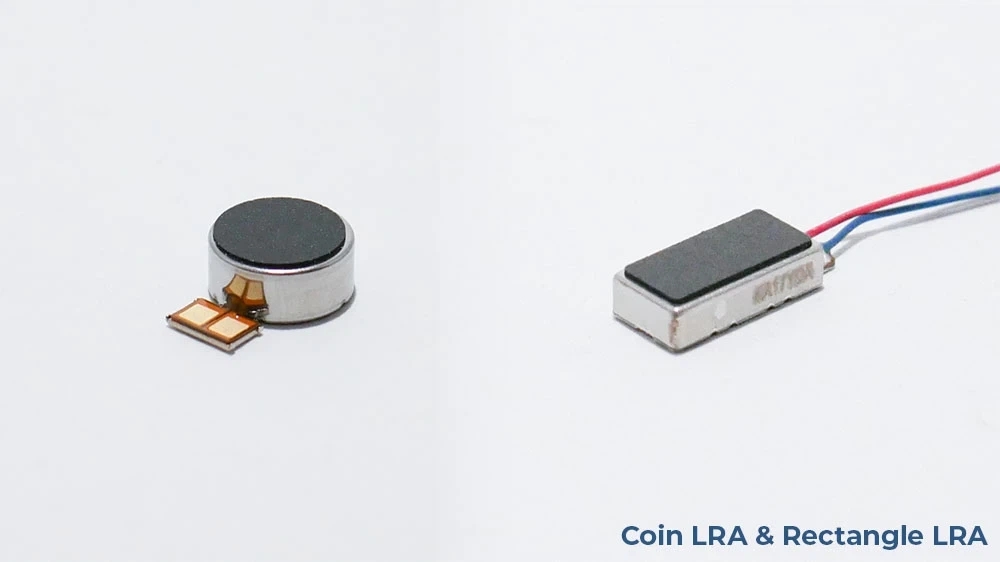
LRA motors deliver advanced haptic feedback in OEM devices. Engineers select lra technology for its ability to produce crisp, precise vibrations. The actuator uses a voice coil and spring mechanism to move a mass along a single axis. This design enables rapid response and high acceleration, improving the tactile sensation for users. LRA motors operate at a specific resonant frequency, usually between 30 Hz and 500 Hz. The actuator achieves optimal performance with 50ms Max, which enhances haptic events in wearables and mobile devices.
The following table compares lra and erm motors in practical haptic applications:
Feature | LRA Motors | ERM Motors |
|---|---|---|
Acceleration | Higher acceleration | 0.6 G average acceleration |
Feedback Quality | Crisper feedback | Unrefined rumble during acceleration |
Power Consumption | Consumes less power during acceleration | Higher power consumption |
Bandwidth Limitations | Limited bandwidth and frequency range | Mechanical limitations |
LRA motors consume less power during acceleration than ERM motors. The actuator provides cleaner feedback, which improves the haptic experience. Engineers value the limited bandwidth for applications that require consistent vibration patterns. LRA motors offer flexibility in amplitude and frequency customization, making them ideal for devices that demand high-definition haptic feedback.
Note: LRA motors excel in applications where rapid, precise haptic feedback is essential. The actuator's design supports enhanced user interaction.
INEED Linear Vibration Motors
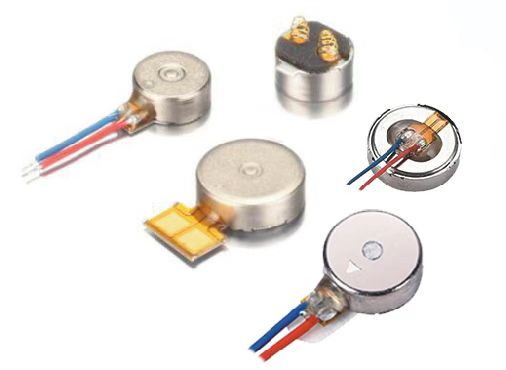
INEED manufactures lra motors that meet strict OEM requirements. The company offers linear vibration motors with customizable specifications. Engineers can select models with different diameters and thicknesses to fit compact devices. INEED lra motors operate efficiently at low voltages, which extends battery life in wearable technology.
The actuator integrates easily with flexible printed circuit boards. INEED supports OEMs with technical guidance and free samples for prototyping. Their quality control ensures each lra motor delivers reliable haptic feedback. INEED's linear vibration motors withstand rigorous tests, including lifetime service and moisture resistance. The actuator's durability and performance make it suitable for smartwatches, fitness trackers, and healthcare devices.
Tip: OEMs seeking enhanced haptic performance can rely on INEED lra motors for consistent, energy-efficient vibration solutions. The actuator improves user satisfaction and device functionality.
Performance: Response, Frequency, and Power
Response Time and Precision
Response time plays a critical role in haptic feedback quality. ERM motors show slower response times because of the inertia in their rotating mass. They typically reach peak frequency in 100 to 200 ms. LRA motors, on the other hand, achieve optimal frequency in 50 ms Max. This speed gives LRA motors a clear advantage in delivering precise haptic sensations, especially in applications that require quick and accurate feedback.
Motor Type | Typical Response Time |
|---|---|
ERM | 100 to 200 ms |
LRA | ~50 ms |
LRA motors provide faster startup and shutdown, making them ideal for devices that need rapid haptic cues. ERM motors, while reliable, cannot match this level of precision. LRA stands out for speed.
Frequency Range and Customization
Frequency range determines the variety of haptic effects a device can produce. LRA motors operate within a narrow frequency band, usually between 30 Hz and 500 Hz. This range supports consistent and crisp haptic feedback but limits the diversity of sensations. ERM motors function at lower frequencies and offer a broader range, which allows for more varied haptic events. However, both actuator types have limitations in frequency and amplitude customization. OEMs may find some restrictions when tailoring haptic feedback for unique applications.
LRA: 30 Hz to 500 Hz frequency range
ERM: Lower frequencies, broader range
Power Efficiency in OEM Devices
Power efficiency impacts battery life and overall device performance. Both ERM and LRA motors require higher power consumption compared to piezoelectric solutions. These motors can use up to 20 times more power than piezo actuators. High operating voltage is necessary for both ERM and LRA to function effectively. The time taken to accelerate and decelerate to peak frequency also affects energy use. In battery-powered devices, engineers must balance haptic performance with power efficiency to ensure optimal user experience.
Tip: Selecting the right haptic actuator helps OEMs achieve the best balance between feedback quality and energy consumption.
Integration and Control in OEM Applications
Integration with INEED Products
OEMs require seamless integration of haptic solutions into their devices. INEED designs each actuator to simplify the integration process. Their vibration motors fit into compact spaces, making them ideal for wearables, medical devices, and consumer electronics. Engineers can select from a wide range of sizes and mounting options. INEED supports custom wire lengths, connectors, and mounting pads. This flexibility allows engineers to match the haptic actuator to the device layout.
INEED provides technical support during the design phase. Their team helps OEMs choose the right actuator for each application. Free samples enable rapid prototyping and testing. INEED’s quality control ensures that every haptic solution meets industry standards. The company’s experience in the field gives OEMs confidence in the reliability of each actuator.
Tip: Early collaboration with INEED helps engineers avoid integration issues and optimize haptic performance.
Control Requirements for ERM and LRA
Control requirements differ between ERM and LRA motors. ERM actuators operate with a simple DC voltage. Engineers can use basic circuits to turn the haptic motor on or off. Speed control adjusts the vibration intensity. This makes ERM motors easy to implement in most devices.
LRA actuators need a more advanced control system. They require an AC drive signal at a specific frequency. An external driver IC generates this signal. Engineers must match the drive frequency to the actuator’s resonant frequency for optimal haptic feedback. This approach delivers precise and consistent vibration patterns.
The table below summarizes the control needs for each haptic actuator:
Motor Type | Control Signal | Complexity | Feedback Quality |
|---|---|---|---|
ERM | DC Voltage | Simple | Basic |
LRA | AC Signal + Driver IC | Moderate | High Precision |
Selecting the right control method ensures the haptic actuator performs as expected. INEED offers guidance on integrating both ERM and LRA motors. Their support helps OEMs achieve the best haptic experience for end users.
Durability and Reliability
Lifespan of ERM vs LRA Motors
Durability remains a top priority for OEMs when selecting a haptic actuator. ERM motors use a simple mechanical design. The rotating mass and shaft provide consistent performance over time. Most ERM actuators deliver a lifespan suitable for devices that require basic haptic feedback. Engineers often choose ERM motors for applications where reliability and cost matter most.
LRA motors use a voice coil and spring mechanism. This actuator design reduces mechanical wear. LRAs typically offer longer operational life compared to ERM motors. The absence of brushes and fewer moving parts help minimize maintenance needs. LRAs perform well in devices that demand frequent and precise haptic feedback, such as wearables and medical equipment.
The table below compares the typical lifespan of ERM and LRA actuators:
Actuator Type | Typical Lifespan | Maintenance Needs | Application Suitability |
|---|---|---|---|
ERM | 300,000 cycles | Moderate | Basic haptic devices |
LRA | 1,000,000 cycles | Low | High-frequency devices |
Note: Engineers should match actuator lifespan to device usage patterns for optimal reliability.
INEED Quality Assurance
INEED implements rigorous quality assurance processes for every actuator. The company uses advanced inspection tools and automated testing lines. Quality control experts monitor each production stage. Material inspections, lifetime tests, and performance evaluations ensure that every actuator meets industry standards.
INEED provides OEMs with free samples for prototyping. The company tracks outgoing products with a comprehensive management system. Secure packaging protects actuators during transit. INEED’s commitment to quality extends from initial design to final shipment. Customers benefit from reliable, long-lasting actuators that enhance device performance.
Tip: OEMs can trust INEED for consistent actuator reliability and superior quality control.
Cost and Use Case Suitability
Cost Considerations for OEMs
OEMs often compare the cost of different haptic solutions before selecting a motor. The price of an actuator can influence the overall budget for device development. ERM motors usually offer a lower price point, making them attractive for high-volume production. LRA motors cost more but deliver advanced haptic feedback and longer lifespan.
Engineers must weigh the benefits of each actuator against the price. ERM motors provide reliable haptic feedback at a lower cost. LRA motors justify their higher price with improved performance and durability. OEMs can optimize device value by matching the actuator to the intended user experience and application requirements.
Tip: Selecting the right haptic actuator helps OEMs balance performance and cost, ensuring the best return on investment.
Best Applications for ERM and LRA
The choice between ERM and LRA motors depends on the device’s haptic needs. ERM motors suit applications where basic haptic feedback is enough. Devices such as pagers, handheld medical tools, and entry-level wearables benefit from the strong vibrations and simple integration of ERM actuators. LRA motors excel in devices that demand precise and rapid haptic feedback. Smartwatches, fitness trackers, and advanced healthcare equipment use LRA actuators to deliver crisp, high-definition haptic sensations.
ERM actuators fit products with basic haptic alerts and cost-sensitive designs.
LRA actuators enhance user experience in premium devices requiring refined haptic feedback.
OEMs should consider the device’s target market and user expectations. INEED supports both actuator types, offering customizable haptic solutions for a wide range of applications. Engineers can rely on INEED’s expertise to select the best motor for each project.
Note: Matching the actuator to the device’s haptic requirements ensures optimal performance and user satisfaction.
OEMs face a clear choice between ERM and LRA motors for haptic integration. ERM motors deliver strong, basic haptic feedback and suit cost-sensitive projects. LRA motors provide precise, rapid haptic sensations and enhance user experience in advanced devices. Engineers should evaluate haptic performance, integration needs, and cost targets. INEED stands as a reliable partner, offering customizable haptic solutions and expert support. OEMs can trust INEED to optimize haptic feedback and device functionality.
For tailored haptic solutions, INEED helps OEMs achieve superior device performance and user satisfaction.
FAQ
What is the main difference between ERM and LRA motors?
ERM motors use a spinning unbalanced mass to create vibrations. LRA motors move a mass linearly with a voice coil and spring. LRA motors provide faster, more precise haptic feedback. ERM motors offer a wider frequency range and simpler integration.
Which motor type is better for battery-powered devices?
LRA motors usually perform better in battery-powered devices. They consume less power during operation and provide efficient haptic feedback. This efficiency helps extend battery life in wearables and portable electronics.
Can INEED customize vibration motors for specific applications?
Yes, INEED offers customization for both ERM and LRA motors. Engineers can request specific vibration intensity, frequency, size, and mounting options. INEED supports prototyping with free samples and technical guidance.
Do LRA motors require special drivers?
LRA motors need an external driver IC to generate the correct AC signal at the resonant frequency. This requirement ensures precise control and optimal haptic performance. ERM motors only need a simple DC voltage for operation.
See Also
LRA Vibration Motors: Key Elements Driving Today's Haptic Feedback
Understanding Frequency And Vibration: Key Differences Affecting LRA Motors
2024LRA: Transforming Haptic Feedback For Improved User Interaction
Evaluating Linear Resonant Actuator Variants: Best Fit For Your Design
The Advantages Of Linear Vibration Motors For Enhanced Haptic Feedback
Get Custom Micro DC Motors from
INEED Motors!
Leading Brand in Vibration Motor Manufacturing Industry