Driving LRA Vibration Motors: What OEMs Must Consider

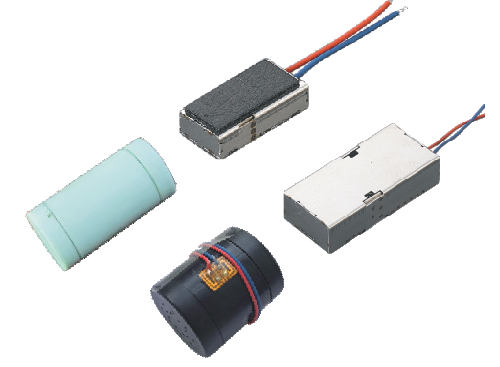
You must consider several key factors when working with lra vibration motors. Electrical, mechanical, and integration requirements shape the way you select the right vibrating motor for your application. The market for vibration motors continues to grow, driven by demand in smartphones, gaming, and wearables. OEMs need to address materials, weight distribution, coatings, and precision to achieve optimal vibration performance. INEED delivers reliable motor solutions, supporting OEMs as they navigate technology trends like miniaturization and energy efficiency.
Requirement | Description | Applications |
|---|---|---|
Materials | Durability, weight reduction, thermal properties | Electronics, medical devices |
Weight Distribution | Controlled vibration intensity and frequency | Haptic feedback, conveyors |
Coatings | Corrosion resistance, reduced friction | Automotive, wearables |
Size and Shape | Space optimization, integration flexibility | Compact electronics |
Tolerance & Precision | Improved efficiency, reduced wear | Robotics, instruments |
Spring Systems | Vibration isolation, shock absorption | Handheld devices |
Key Takeaways
Understand the differences between LRA and ERM motors. Choose LRA for precise control and energy efficiency in applications like smartphones and wearables.
Match the resonant frequency of your LRA motor to your device's design. This ensures maximum vibration efficiency and lower power consumption.
Select the right driver IC for your LRA motor. Options like the DRV2605 enhance control over vibration intensity and frequency.
Pay attention to mounting and enclosure design. Proper integration affects vibration strength and overall performance.
Follow best practices for maintenance and testing. Regular checks and adherence to specifications extend the lifespan and reliability of your vibration motors.
Understanding LRA Vibration Motors
LRA vs ERM Motors
You need to understand how lra vibration motors work before you select the right vibrating motor for your project. These motors use a voice coil and spring system that moves a mass back and forth when you apply AC voltage. This design gives you precise control over vibration and makes them ideal for haptic feedback systems. INEED’s Linear Vibration Motors use this principle to deliver reliable performance in both industrial and consumer devices.
Let’s compare the two main types of vibrating motors you might consider:
Feature | LRA (Linear Resonant Actuator) | ERM (Eccentric Rotating Mass) |
|---|---|---|
Operating Principle | Uses AC voltage to drive a voice coil for oscillation | Uses DC motor with a counterweight for rotation |
Response Time | Approximately 10ms | 20-50ms before reaching desired vibration |
Vibration Control | Must be driven at resonant frequency for effective force | Vibration produced after reaching operating speed |
Stop Time | Can take up to 300ms to stop, but can be quickened with active braking | Generally quicker stop time due to motor design |
Tactile Feedback | Provides finer feedback due to precise control | Less precise feedback due to rotational motion |
ERM motors create vibration by spinning a weight, which produces motion along two axes. LRA vibration motors move in a single axis, giving you more precision and control. You will find that LRAs use less power and produce quieter, smoother vibrations. This makes them a better choice for industrial machinery and medical devices where accuracy and efficiency matter.
Resonant Frequency and Amplitude
You must match the resonant frequency of your lra vibration motors to your device’s design. When you operate the motor at its resonant frequency, you get maximum vibration efficiency and lower power consumption. If you run the motor outside this range, you will see weaker feedback and higher energy use. For example, the LRA0625BC-0245F model from INEED has a resonance frequency of 260 Hz, which suits applications that demand accurate vibration feedback.
Driver chips help you control the amplitude and frequency, letting you fine-tune the vibration for different applications. This flexibility is essential for gaming controllers and medical equipment, where you need to modulate vibration intensity for the best user experience.
OEM Considerations for Applications
As an oem, you must evaluate several factors when choosing an oem vibration motor for your device. Consider the following:
Factor | Description |
|---|---|
Application Requirements | Define the purpose and environment for your vibrating motor. |
Vibration Frequency | Match the frequency and amplitude to your device’s needs. |
Energy Efficiency | Choose motors that extend battery life and reduce costs. |
Environmental Resistance | Ensure the motor withstands moisture, dust, and temperature changes. |
Customization Options | Work with suppliers like INEED to tailor the motor for your unique design. |
You should always focus on picking the right motor for your application. This approach ensures durability, high performance, and reliable feedback in all your industrial and consumer applications.
Electrical Driving and Integration
Voltage and Frequency Requirements
You must understand the electrical requirements before you integrate lra vibration motors into your device. These motors operate best within a specific voltage and frequency range. The right settings ensure strong vibration, low energy use, and long durability. Most industrial and consumer applications use an operating voltage between 0.1V and 5.0V. This range supports low-power devices and helps you meet strict energy standards.
Feature | Description |
|---|---|
Operating Voltage Range | 0.1V to 5.0V for LRAs, suitable for low-power devices |
Resonant Frequency | Typically around 65Hz, usable range 30Hz to 500Hz |
Driver circuits must generate an AC signal at the motor's resonant frequency. This approach maximizes vibration strength and keeps power consumption low. You should always check the specifications for each oem vibration motor to match the voltage and frequency to your application. If you run the motor outside its optimal range, you will see weaker feedback and higher energy use.
Driver IC Selection
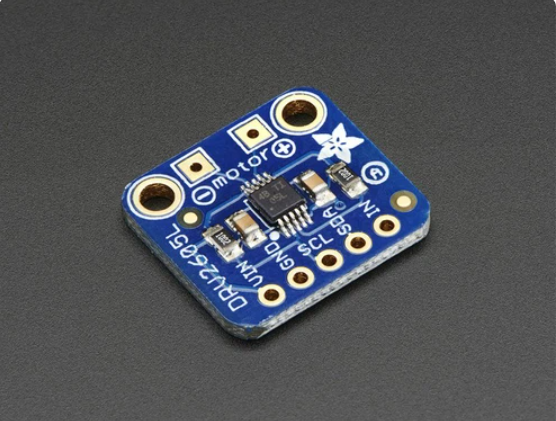
You need a dedicated driver IC to control lra vibration motors with precision. Common choices include the Texas Instruments DRV2605 and the awinic AW86223. These chips generate precise AC signals and allow you to adjust vibration intensity and frequency. This level of control is essential for industrial and consumer applications that demand reliable and consistent feedback.
The LRA Electrical Motor LRA2024A-1088F from INEED works well with these driver ICs. You can use the DRV2605 or AW86223 to unlock advanced vibration control features. These chips support auto-resonance tracking and closed-loop feedback, which improve efficiency and reliability. You will find that compatibility with these ICs makes integration easier and boosts overall performance.
Tip: The DRV2605L offers smart features that go beyond simple signal generation. You can achieve better energy efficiency and seamless integration in your device.
Resonance Tracking and Power Management
You must keep the motor running at its resonant frequency to get the best results. Even a small shift in frequency can reduce vibration strength by 40% and increase energy use by 50%. Auto-resonance tracking helps you maintain optimal vibration and extend the life of your vibrating motors. This technology adjusts the input signal in real time, so the motor always operates at peak performance.
Best practices for oem integration include:
Use a driver chip that supports automatic resonance tracking.
Select components with low resistance and ensure solid grounding to reduce noise.
Implement a feedback system, such as monitoring back-EMF, to adjust signals as needed.
Auto-resonance tracking allows the motor to deliver stronger and steadier vibrations. The motor experiences less stress, which leads to longer durability and fewer issues. Devices with this feature provide better user feedback, especially in gaming and wearable applications. For example, the LRA2024A-1088F uses only 140mW while maintaining strong vibration performance.
You should monitor back-EMF and use closed-loop control to keep efficiency high under different load conditions. This approach ensures your device meets both reliability and energy goals. When you focus on picking the right motor and driver, you set your product up for success in industrial and consumer markets.
Mechanical and Application Challenges
Mounting and Enclosure Design
You must pay close attention to how you mount and enclose lra vibration motors in your devices. The way you integrate the motor affects vibration strength, efficiency, and overall performance. If you want to minimize vibration loss, you need to consider several design factors. The table below outlines the most important ones:
Design Factor | Explanation |
|---|---|
Material Choice | Select materials that enhance the enclosure's ability to manage vibrations. |
Shape and Size | The configuration influences the strength and stability of the enclosure. |
Mounting Methods | Implement studs or adhesives to optimize vibration performance. |
You should choose enclosure materials that transmit vibration efficiently. The shape and size of the enclosure also play a role in how well the vibration travels to the user. Proper mounting methods, such as using studs or specialized adhesives, help you reduce vibration loss and improve feedback. This approach ensures that your oem vibration motor delivers consistent results in both industrial and consumer applications.
Size and Form Factor for OEMs
You need to match the size and form factor of the motor to your device’s requirements. The right form factor allows you to select the right vibrating motor for each application. The table below shows how different motor shapes fit various oem applications:
Motor Form Factor | Suitable OEM Applications and Device Types |
|---|---|
Coin (pancake) motors | Best for slim devices such as smartwatches, fitness trackers, and hearing aids due to their low profile. |
Flat or rectangular | Fit well in devices with limited thickness like tablets and remote controls. |
Axial or cylindrical | Suitable for larger enclosures like power tools, diagnostic equipment, or vending machines. |
Provide precise, directional vibrations with fast response and energy efficiency, ideal for smartphones, wearables, and gaming controllers requiring accurate haptic feedback. |
When you work on industrial machinery or compact consumer electronics, you must consider the available space and the type of vibration needed. Picking the right motor ensures that you meet both performance and durability targets.
Industrial and Wearable Applications
You will find that lra vibration motors excel in a wide range of applications. In the wearable technology sector, you can see successful integration in smartwatches, fitness trackers, and medical wearables. The table below highlights some examples:
Device Type | Features | Resonant Frequency | Use Case |
|---|---|---|---|
Smartwatches | Compact LRAs (φ6–φ8mm) for slim designs, clear alerts | 235±5Hz | Notifications, fitness goals, touch interactions |
Fitness Trackers | Delivers precise, comfortable vibrations, long battery life | 235±5Hz | Alerts for fitness goals |
Medical Wearables | Quiet, precise haptic feedback for alerts without disturbing others | N/A | Glucose monitors, heart rate devices |
You can use these vibrating motors in industrial applications as well. They provide reliable feedback and high efficiency in diagnostic equipment and control panels. When you focus on application needs and device constraints, you can achieve the best results for both industrial and consumer markets.
Tip: Always test your mounting and enclosure design early in development. This step helps you avoid vibration loss and ensures optimal performance.
Control, Reliability, and Testing
Control Methods (PWM, I2C)
You have several options for controlling an LRA vibration motor in your device. The most common methods are PWM (Pulse Width Modulation) and I2C.
PWM lets you adjust the intensity and duration of vibration by switching the power on and off rapidly. This method gives you precise control over vibration strength.
I2C allows your device to communicate with the vibration motor driver IC. You can send commands to control both ERM and LRA motors using this protocol.
These control methods help you improve energy efficiency and responsiveness. You can deliver high-quality vibration feedback to users in both industrial and consumer applications. INEED provides technical support to help you select the best control method for your oem vibration motor integration.
Haptic Feedback and Closed-Loop Options
You can enhance the haptic experience by using closed-loop control options. These techniques monitor the vibration motor’s response and adjust the input signal in real time. One advanced method is command-shaping, which modifies the force profiles generated by LRAs.
Enhancement Technique | Description | Benefits |
|---|---|---|
Command-Shaping | Techniques that modify the force profiles generated by LRAs | Allows for unique force profiles beyond standard libraries, improving haptic experience |
With closed-loop options, you can achieve more consistent vibration and better user feedback. This approach is especially valuable for oem applications that require precise and reliable vibration performance.
Compliance and Lifetime Testing
You must ensure that your vibration motor meets strict reliability and compliance standards. INEED supports oem partners with guidance on REACH and RoHS compliance. You should follow proven testing protocols to verify the durability and performance of your vibration motor.
Test Type | Purpose | Testing Method | Pass/Fail Criteria |
|---|---|---|---|
Reliability (Life Cycle) | Assess long-term durability | Continuous operation for 10,000+ cycles | No functional degradation or failure |
Environmental (Temp/Humidity) | Ensure stability in harsh climates | Chamber exposure: -40°C to +85°C, 95% RH | Full functionality after exposure |
Functional (Vibration Output) | Verify performance specs | Accelerometer measurement | Within ±5% of target amplitude |
Calibration | Ensure consistent haptic feedback | Voltage sweep and response logging | Meets predefined intensity curve |
Visual Inspection (AOI) | Detect surface and assembly defects | Automated imaging system | No visible flaws or misalignments |
You should always test your vibration motor for reliability before final integration. This process helps you avoid failures and ensures your oem product meets industry standards. INEED’s quality control and technical support help you achieve long operational life and regulatory compliance for every vibration motor you use.
Common Pitfalls and Best Practices for OEMs
Frequent Integration Mistakes
You may encounter several common mistakes when integrating an LRA vibration motor into your device. Many oem teams overlook the importance of matching the motor’s resonant frequency with the driver circuit. This mismatch can lead to weak vibration and inconsistent feedback. Some oem engineers select a motor without considering the enclosure material or mounting method, which can cause vibration loss and reduce overall performance. Others ignore the need for proper cooling or ventilation, resulting in overheating and shortened motor lifespan. Failing to follow manufacturer guidelines for voltage and current can also damage the motor and compromise vibration quality.
Mistake | Impact on Device |
|---|---|
Incorrect frequency matching | Weak vibration, poor feedback |
Poor enclosure or mounting | Vibration loss, reduced output |
Inadequate cooling | Overheating, shorter lifespan |
Ignoring voltage recommendations | Motor damage, inconsistent output |
Skipping regular maintenance | Performance degradation |
Note: You can avoid most integration issues by following best practices and leveraging INEED’s technical support during development.
Actionable Best Practices
You can ensure reliable vibration and long-term motor performance by following these best practices:
Keep the motor clean and free of debris. Use soft brushes or compressed air to remove dust and grime, which helps maintain vibration quality and prevents overheating.
Inspect components such as rotors and bearings regularly. Replace worn parts with manufacturer-approved replacements to avoid performance drops.
Lubricate moving parts only if required, and always use the lubricant specified by the manufacturer. This prevents dust buildup and motor impairment.
Ensure proper cooling and ventilation around the motor housing. Use passive vents or cooling fans in enclosed systems to prevent overheating.
Operate the motor within the recommended voltage parameters. Use regulated power sources to avoid damage from overvoltage or undervoltage.
You should also take advantage of INEED’s quality control processes and technical support. Their team can help you select the right vibration motor, optimize integration, and troubleshoot any issues. By following these steps, you deliver consistent feedback and extend the life of your oem devices.
You must focus on several essential steps when selecting and integrating LRA vibration motors for your oem projects. Choose a reliable brand like INEED to ensure consistent performance and quality. Match the right motor and driver IC by following these steps:
Identify the resonant frequency and verify electrical specifications from the datasheet.
Test compatibility between the motor and driver IC during prototyping.
Evaluate power source and thermal constraints for your oem device.
Consult technical support if you encounter challenges.
You improve integration by consulting datasheets and leveraging expert guidance. Adopt best practices to achieve reliable results in both industrial and consumer oem devices.
FAQ
What are the main types of oem vibration motors?
You will find two main types of oem vibration motors: Linear Resonant Actuators (LRA) and Eccentric Rotating Mass (ERM) motors. Each type offers unique benefits for different applications. You should select the type that matches your device’s requirements for performance and size.
How do I ensure high reliability in my vibration motor application?
You should follow strict testing protocols and use quality components. Regular maintenance and proper mounting also help. You can trust INEED’s motors for high reliability in demanding environments, including industrial and consumer devices.
Why is tactile feedback important in modern devices?
Tactile feedback improves user experience by providing physical sensations during device operation. You can use it to enhance interaction in smartphones, gaming controllers, and wearable technology. This feature makes your product more intuitive and engaging.
What should I consider for ensuring compatibility with medical devices?
You must check electrical specifications and vibration resistance when integrating motors into medical devices. Ensuring compatibility with regulatory standards and device requirements is essential. You should always consult datasheets and technical support for best results.
How does vibration resistance affect device performance?
Vibration resistance helps your device withstand shocks and maintain stable operation. You should prioritize this feature in applications exposed to movement or impact. It extends the lifespan of your product and ensures consistent performance.
See Also
Key Differences Between Frequency And Vibration Affecting LRA Motors
LRA Vibration Motors Drive Today’s Advanced Haptic Feedback Technology
Effective Ways To Enhance LRA Motors For Vibration Designs
Get Custom Micro DC Motors from
INEED Motors!
Leading Brand in Vibration Motor Manufacturing Industry