10 Essential Checklist Items for Choosing LRA Vendors for High-Volume Wearables

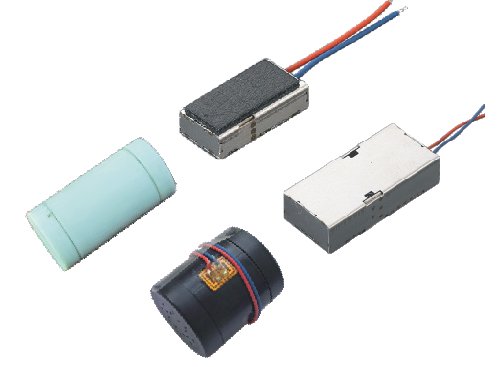
You need to focus on the most important factors when choosing lra vendors for high-volume wearables. Reliable suppliers help you avoid risks in applications that demand consistency and safety. Proven track records show that vendors can support your applications and scale production as needed. Use this checklist to compare options, verify strengths, and make informed decisions. Consider both technical details and operational support to ensure your project succeeds.
Key Takeaways
Assess manufacturing capacity to ensure the vendor can meet your high-volume needs without delays.
Check quality assurance systems to confirm the vendor maintains consistent battery performance and reliability.
Evaluate supplier reliability by reviewing their track record and client testimonials for past performance.
Ensure the vendor complies with safety standards and has certifications to protect users and devices.
Request product samples to test battery performance before committing to large orders.
1. Manufacturing Capacity
Assessing Supplier Scale
When you evaluate LRA vendors for consumer wearables, you must start by checking their manufacturing capacity. A strong supplier can handle your volume needs without delays or quality drops. Ask for data on their current production lines. Review their maximum capacity and average monthly output. You want to see that the supplier has supported similar projects before. Look for evidence of successful delivery at scale.
Tip: Request a tour of the supplier’s facility or a virtual walkthrough. This helps you confirm their actual capacity and see their workflow in action.
Use this checklist to assess supplier scale:
Does the supplier have dedicated lines for wearables?
Can they show proof of past high-volume delivery?
Do they have backup plans for sudden spikes in demand?
What is their lead time for large orders?
How do they manage capacity during peak seasons?
High-Volume Readiness
High-volume readiness means more than just having big machines. You need a supplier with systems that support fast, reliable delivery. Check if they use automation to boost capacity and reduce errors. Ask about their process for scaling up quickly. Reliable delivery depends on both equipment and skilled staff.
You should also review their track record for on-time delivery. Late shipments can disrupt your launch and hurt your brand. Make sure the supplier can guarantee delivery dates, even when orders increase.
Confirm the supplier’s ability to ramp up capacity for new product launches.
Ask for references from brands that required high-volume delivery.
Review their contingency plans for equipment failure or supply chain issues.
Ensure they have enough capacity to support your growth projections.
Remember: Consistent capacity and reliable delivery are non-negotiable for high-volume wearables. Choose a supplier who can prove both.
2. Quality Assurance
Vendor Quality Systems
You need to check the quality systems of every supplier before you make a decision. A strong quality system helps you avoid problems with battery performance and device reliability. Ask the supplier for details about their quality certifications. Look for ISO 9001 or similar standards. These show that the supplier follows strict rules for quality management.
Use this checklist to evaluate vendor quality systems:
Does the supplier have a dedicated quality team?
Can they provide documentation for battery testing and inspection?
Do they track quality issues and resolve them quickly?
Are their quality audits regular and transparent?
Do they have a process for continuous improvement?
Tip: Request a sample battery test report. This gives you a clear view of their quality control process.
Consistency in Production
Consistency matters when you build high-volume wearables. You want every battery to meet the same quality standards. Ask the supplier how they keep quality steady from batch to batch. Find out if they use automated checks for battery assembly. Automation reduces errors and keeps quality high.
Here are steps you can take to check production consistency:
Review records of battery failures and how the supplier fixed them.
Ask for data on battery lifespan and performance across different lots.
Check if the supplier uses the same materials and processes for every battery.
Request information about their battery traceability system.
Confirm that the supplier can scale up production without losing quality.
Note: Consistent battery quality protects your brand and keeps users safe.
3. Supplier Reliability
Proven Track Record
You need to choose LRA vendors with a strong history in battery supply for high-volume applications. A proven track record shows that the supplier can deliver consistent results for your projects. Ask for case studies from previous clients, especially those in healthcare and wearables. These examples help you see how the supplier handled battery challenges and met delivery goals.
Check if the supplier has worked with demanding applications. Healthcare and consumer wearables require strict safety and battery performance standards. Review their experience with battery integration in devices that need long life and stable output. Reliable suppliers document their quality system and project management structure. This makes collaboration smoother and helps you avoid mistakes in battery selection and use.
Use this checklist to evaluate a supplier’s track record:
Request case studies from battery projects in healthcare or high-volume applications.
Ask for references from clients who used the supplier for battery-powered wearables.
Review the supplier’s history of meeting battery delivery deadlines.
Confirm that the supplier has handled battery recalls or safety issues responsibly.
Tip: A supplier with a strong track record will share detailed battery project reports and client feedback.
Testimonials and Reviews
You should always check testimonials and reviews from other clients. These give you real-world insights into how the supplier performs in battery supply for different applications. Focus on feedback from healthcare and wearables brands. They often highlight battery safety, service quality, and the supplier’s ability to solve problems quickly.
Here is a table showing what clients say about top suppliers:
Supplier Name | Key Attributes |
|---|---|
Extensive product range, reliable service | |
Positive interactions, praised for service quality | |
Quick turnarounds, customer-friendly return policies | |
High-quality service | |
Affordability without compromising quality |
Look for reviews that mention battery safety and support for high-volume applications. Positive feedback on battery returns, quick problem-solving, and clear communication shows that the supplier values your project’s success. Reliable suppliers earn trust by delivering safe batteries and supporting your applications at every stage.
Note: Strong testimonials and reviews help you avoid suppliers who cannot meet your battery and safety needs.
4. Safety Standards
Choosing LRA vendors for high-volume wearables means you must focus on safety standards at every step. Reliable suppliers follow strict rules to keep users safe and devices working well. Use this checklist to make sure your vendor meets the highest safety expectations.
Compliance and Certifications
Check if the vendor holds certifications that prove they meet safety standards. Look for marks like UL, CE, or IEC for battery safety.
Ask for documentation that shows compliance with international and local safety rules.
Confirm that the supplier tests every battery for safety before shipping.
Review their process for battery protection against overcharging, overheating, and short circuits.
Make sure the vendor updates their safety certifications regularly.
Tip: Certified vendors show a strong commitment to safety and battery protection. This reduces your risk and builds trust with your customers.
Patient Safety
Ask how the supplier designs battery protection for wearable devices that touch the skin.
Review their safety features, such as thermal cutoffs and current limiters, that prevent battery failures.
Check if the vendor uses materials that meet medical-grade safety standards.
Request reports on battery incidents and how the supplier handled them.
Ensure the vendor has a clear plan for battery recalls or safety alerts.
Checklist Item | Why It Matters |
|---|---|
Battery protection features | Prevents overheating and failures |
Medical-grade safety standards | Protects sensitive users |
Incident response and recall process | Ensures quick action for safety issues |
Note: Patient safety depends on strong battery protection and strict safety standards. You protect your brand and your users by choosing vendors who make safety a top priority.
5. Transparent Pricing
Choosing an LRA vendor for high-volume wearables means you must understand every part of the battery cost. Transparent pricing helps you avoid surprises and plan your budget with confidence. You want to know exactly what you pay for each battery, from the first order to the last shipment.
Cost Structure
Ask each vendor to break down their battery pricing. You should see a clear list of what goes into the final cost. This includes raw materials, assembly, testing, and packaging. Some vendors add fees for special battery features or custom designs. Make sure you know about these costs before you sign any agreement.
Use this checklist to review the cost structure:
Request a detailed quote for each battery type.
Check if the price includes battery testing and quality checks.
Ask about extra charges for custom battery sizes or connectors.
Confirm if packaging and shipping are part of the battery price.
Compare the cost structure with other vendors to spot any big differences.
Tip: A clear cost structure helps you avoid budget problems during large battery orders.
Avoiding Hidden Fees
Hidden fees can hurt your project and make battery costs rise quickly. You need to ask vendors about all possible extra charges. These can include rush orders, small batch fees, or changes in battery specifications. Some suppliers charge for battery samples or technical support. Always get these details in writing.
Here are steps to avoid hidden fees:
Ask for a full list of possible battery-related fees.
Review the contract for any unclear battery charges.
Confirm if battery price changes with order size or delivery speed.
Check if there are fees for battery returns or warranty claims.
Make sure the vendor explains all battery costs before you agree.
Fee Type | What to Ask the Vendor |
|---|---|
Rush order fees | How much extra for fast battery delivery? |
Sample charges | Are battery samples free or paid? |
Support fees | Is battery technical help included? |
Return/warranty fees | What does a battery return cost? |
Note: Transparent pricing protects your project from unexpected battery expenses and keeps your business on track.
6. Technical Support
Engineering Collaboration
You need strong engineering collaboration when you select LRA vendors for high-volume wearables. Leading vendors like BESTAR work closely with brands to integrate their battery components into advanced design systems. This partnership helps you address future challenges and ensures that the battery fits the mechanical resonance and housing requirements of your device. You benefit from a vendor who customizes battery solutions for your project. This synergy between component manufacturers and OEMs boosts battery performance and creates a seamless user experience.
Use this checklist to evaluate engineering collaboration:
Does the vendor offer battery customization for your device’s unique needs?
Can the vendor support integration with your design and testing systems?
Will the vendor help you optimize battery efficiency and high efficiency for your application?
Does the vendor provide guidance on achieving low power consumption and stable battery performance?
Can the vendor demonstrate past collaborations with leading wearable brands?
Tip: Engineering collaboration ensures your battery delivers high efficiency and reliable performance in every wearable device.
Responsive Assistance
Responsive technical support is essential for high-volume projects. You need a vendor who answers questions quickly and solves battery issues before they affect your production. Look for vendors who provide real-time support and have a dedicated team for battery troubleshooting. Fast assistance helps you maintain battery efficiency and avoid delays.
Here are steps to check responsive assistance:
Ask if the vendor offers 24/7 battery support for urgent issues.
Review their response times for battery-related questions.
Confirm the vendor’s ability to resolve battery performance problems during ramp-up.
Check if the vendor provides training for your team on battery handling and efficiency.
Request examples of how the vendor managed battery emergencies in past projects.
Support Feature | Why It Matters |
|---|---|
Real-time battery support | Keeps production on schedule |
Training for efficiency | Improves battery performance |
Fast troubleshooting | Reduces downtime and risk |
Note: Responsive assistance protects your battery supply chain and ensures high efficiency in every stage of production.
7. Product Samples
Evaluating Device Quality
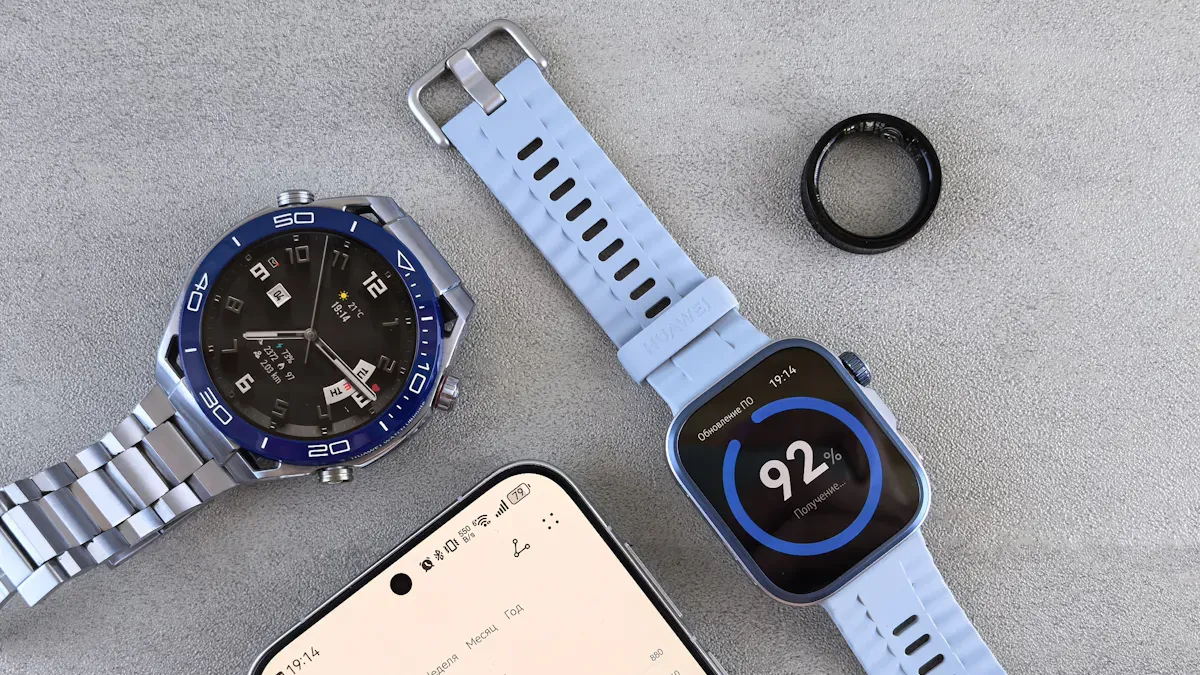
You should always request product samples from LRA vendors before making a final decision. Product samples let you test battery powered devices in real-world conditions. You can check battery life, battery capacity, and overall performance. This step helps you avoid surprises after you place a large order.
Start by running basic tests on each battery powered sample. Check if the battery lasts as long as promised. Measure battery life during normal use and under heavy loads. Test the vibration strength and see if the device meets your expectations. You want to confirm that the battery capacity matches the specifications. If the battery drains too fast, the device will not meet user needs.
Use this checklist when you evaluate device quality:
Test battery life in different scenarios.
Measure battery capacity and compare with vendor claims.
Check vibration performance and response time.
Inspect the device for build quality and durability.
Ask about customization options for battery powered devices.
Tip: Testing samples helps you spot problems with battery performance or battery life before you commit to a vendor.
Reviewing Specifications
You need to review all specifications for each battery powered sample. Specifications tell you if the device will work in your wearable project. Look for details about battery life, battery capacity, and performance metrics. Compare these numbers with your project requirements.
Here is a table to help you review key criteria for LRA product samples:
Criteria | Description |
|---|---|
Performance Metrics | Check resonant frequency and vibration amplitude for optimal performance. |
Compatibility Assessment | Make sure the LRA motor fits your device’s size, weight, and electrical needs. |
Application Suitability Analysis | Match the motor to your application, such as wearables or medical devices. |
Voltage and Current Considerations | Review datasheets for voltage, current, and battery specifications. |
Acceleration and Vibration Strength | Test resonance frequency and energy efficiency in real use. |
Response Time and Frequency Range | Use driver chips to adjust vibration and improve response time. |
You should always ask for datasheets and technical documents. These will show you the battery specifications and help you compare vendors. If you need customization, check if the vendor can adjust battery powered features to fit your design. Reliable vendors will support you with clear specifications and options for customization.
Note: Careful review of specifications ensures your battery powered wearables deliver strong performance and long battery life.
8. Customization Options
Design Flexibility
You need strong customization options when you choose LRA vendors for battery powered wearables. Every wearable device has unique requirements for battery, efficiency, and compatibility. Vendors who offer design flexibility help you create products that stand out in the market. You want to see options that match your battery life goals and battery capacity needs.
Many brands request custom flexible printed circuits (FPCs) and custom leads. These features improve integration and battery efficiency. You can also select mounting options for better compatibility with contact springs or pogo pins. Some vendors let you order tape or foam for bulk battery powered shipments over 1,000 pieces. These choices make it easier to fit the battery into your design and boost battery life.
Here is a table of the most requested customization options:
Customization Option | Description |
|---|---|
Custom Flexible Printed Circuits | Designed for specific wearable battery powered devices |
Custom Leads | Tailored for better battery integration and efficiency |
Mounting Options | Improves compatibility with springs and pins |
Tape/Foam Options | Available for large battery powered orders |
You should ask vendors about their ability to adjust battery size, shape, and battery capacity. This ensures your device meets both performance and battery life targets.
Feature Alignment
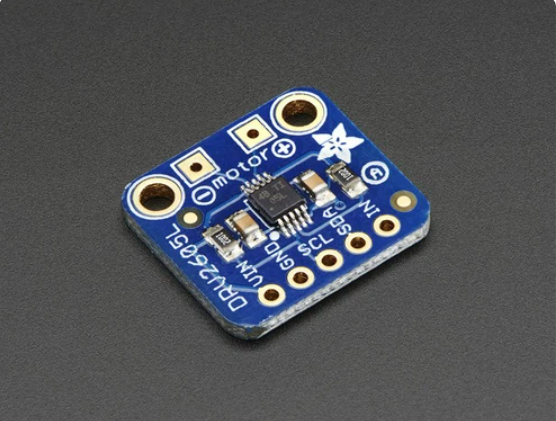
You want customization that aligns with your device’s features. LRA vendors show design flexibility by offering energy efficiency, compact size, and accurate haptic feedback. These benefits help you extend battery life and improve user experience. Integrated LRA drivers combine functions in one chip, which reduces battery powered device size and boosts efficiency. Discrete drivers allow more customization and fine-tuning for special battery powered applications.
Look for these feature alignment benefits:
Energy efficiency for longer battery life and less heat
Compact size for better compatibility with small devices
Accurate haptic feedback for a premium user experience
Technical support for drive circuit design and resonance tuning
You should check if the vendor provides guidance on battery powered drive circuits and resonance tuning. This support helps you reach your battery efficiency and battery life goals. Reliable vendors offer technical resources and answer questions about battery compatibility and battery capacity.
Tip: Choose vendors who support customization at every stage. This ensures your battery powered wearables deliver top efficiency, long battery life, and strong compatibility.
9. Supply Chain Strength
Material Sourcing
You need to check how LRA vendors source materials for battery production. Strong supply chain strength means you get steady battery delivery, even when the market changes. Top vendors use several strategies to keep battery materials available for high-volume wearables:
They use diversified sourcing models. This means they do not rely on one supplier for battery components. You get better battery delivery and fewer delays.
Just-in-time inventory practices help vendors keep battery stock low but ready. This method supports fast battery delivery and reduces waste.
Long-term agreements with suppliers lock in battery prices and guarantee battery supply. You avoid sudden cost jumps and battery shortages.
Many vendors focus on local manufacturing. This reduces risks from global events and keeps battery delivery on track.
High-volume contracts give you better battery pricing and more control over battery costs.
Vendors track every battery material for transparency. This helps you meet safety rules and quality standards.
Tip: Ask your vendor for details about their battery sourcing strategy. Reliable sourcing means you get the battery capacity you need for every delivery.
Risk Management
You must look at how vendors manage risks in their battery supply chain. Good risk management keeps your battery delivery stable and protects your project from problems. Here are key points to review:
Vendors should have backup suppliers for every battery component. This keeps battery delivery moving if one source fails.
Check if the vendor has plans for battery shortages or shipping delays. Strong plans protect your battery capacity and delivery schedule.
Ask about their response to past battery supply chain disruptions. You want a vendor who learns and improves.
Review how they handle battery recalls or quality issues. Fast action keeps your battery delivery safe and reliable.
Make sure the vendor can trace every battery back to its source. This helps you solve battery problems quickly.
Risk Management Practice | Why It Matters for Battery Delivery |
|---|---|
Backup suppliers | Keeps battery delivery on schedule |
Contingency plans | Protects battery capacity during shortages |
Incident response | Ensures safe and fast battery delivery |
Traceability | Solves battery issues with speed |
Note: Strong supply chain strength means you get the battery capacity and delivery you need, even when challenges arise. Choose vendors who show clear plans for battery sourcing and risk management.
10. Ramp-Up Experience
Project Management
You need to check how well a vendor manages projects during high-volume launches. Strong project management helps you avoid mistakes with battery supply and capacity planning. Ask the vendor to show you their project management structure. Look for clear roles and responsibilities. You want to see how they track battery orders and monitor capacity at every stage.
Use this checklist to review project management:
Does the vendor assign a dedicated manager for your battery project?
Can they share a timeline for battery delivery and capacity ramp-up?
Do they use project tracking tools to monitor battery supply and capacity changes?
Will they update you on battery milestones and capacity targets?
Can they handle changes in battery demand and capacity needs quickly?
Tip: Good project management keeps your battery supply and capacity on track, even when your order size grows fast.
Scaling Support
You must choose a vendor who can scale battery production and capacity without losing quality. Ask about their experience with high-volume battery launches. Check if they have handled sudden increases in battery demand and capacity before. Reliable vendors use automation and skilled teams to boost battery output and capacity quickly.
Here is a table to help you compare scaling support:
Scaling Support Feature | What to Look For |
|---|---|
Automation in battery lines | Faster battery output and higher capacity |
Flexible workforce | Quick response to battery and capacity changes |
Backup equipment | No delays in battery supply or capacity ramp-up |
Proven high-volume launches | Success with battery and capacity at scale |
Ask for references from brands that needed fast battery ramp-up and capacity increases. Review how the vendor solved problems with battery supply and capacity during past launches. You want a partner who can keep battery quality and capacity high, even when your project grows.
Note: Vendors with strong scaling support help you meet battery deadlines and capacity goals for every wearable launch.
Quick Reference Checklist Table
Summary of 10 Items
You need a simple way to compare LRA vendors for high-volume wearables. Use this checklist to review each supplier’s strengths and weaknesses. Focus on battery quality, delivery, and support at every stage. This table helps you spot gaps and make smart choices for your project.
Checklist Item | What to Ask or Check | Why It Matters for Your Project |
|---|---|---|
1. Manufacturing Capacity | Can the vendor handle your battery volume needs? | Ensures steady battery supply at scale |
2. Quality Assurance | Does the vendor test every battery and track issues? | Protects your brand with reliable battery |
3. Supplier Reliability | Has the vendor delivered battery orders on time for others? | Reduces risk of battery delays |
4. Safety Standards | Are all battery safety certifications up to date? | Keeps users safe with proven battery design |
5. Transparent Pricing | Do you know every battery cost and possible fee? | Prevents budget surprises with battery orders |
6. Technical Support | Will you get help with battery integration and troubleshooting? | Solves battery problems fast |
7. Product Samples | Can you test battery samples before large orders? | Confirms battery performance in your device |
8. Customization Options | Does the vendor offer custom battery features and sizes? | Matches battery to your device needs |
9. Supply Chain Strength | Does the vendor have backup plans for battery materials? | Avoids battery shortages and keeps delivery |
10. Ramp-Up Experience | Can the vendor scale battery production quickly? | Supports fast launches with enough battery |
Tip: Use this checklist with your team. Review each battery item before you choose a vendor. This process helps you avoid suppliers who cannot deliver battery quality or scale for high-volume wearables.
When choosing lra vendors for high-volume wearables, you need a structured checklist to guide every battery decision. This approach helps you focus on battery quality, supplier reliability, and proven capacity. You can:
Identify vendors with strong battery expertise and global reach.
Ensure every battery meets safety and regulatory standards.
Optimize battery selection for manufacturability and performance.
Share this checklist with your team. Integrate it into your procurement process to avoid battery risks and secure consistent supply. Choosing lra vendors with the right battery support will drive your project’s success.
FAQ
What makes battery quality important for high-volume wearables?
You need strong battery quality to keep your devices safe and reliable. High-volume wearables depend on each battery working the same way. Poor battery quality can cause failures, short device life, and unhappy users.
How do I check a vendor’s battery manufacturing capacity?
Ask for data on battery output and past high-volume projects. You should request a tour or photos of the battery production lines. Reliable vendors show proof of battery capacity and share how they handle large orders.
Why does driver support matter when choosing a battery vendor?
Driver support helps you match the battery with your device’s electronics. Good vendors offer help with battery integration and tuning. This support ensures your battery works well with your wearable’s features and vibration needs.
What should I look for in battery quality assurance?
You should check for battery testing, certifications, and a clear process for fixing battery issues. Ask for reports on battery failures and how the vendor solved them. Quality assurance keeps your battery supply safe and consistent.
How can I tell if a vendor can ramp up battery production quickly?
Review the vendor’s history with battery launches. Ask for examples of fast battery ramp-up and how they managed battery supply during growth. Vendors with automation and skilled teams can increase battery output without losing quality.
See Also
Top 10 Vibrating Wristbands To Track Health And Alerts
Effective Ways To Enhance LRA Motors For Vibration Designs
Top Five Compact Vibration Motors For Wearable Devices
Eight Key Steps To Choose The Perfect ERM Vibration Motor
LRA Motors: Vital Parts Driving Today’s Haptic Feedback Tech
Get Custom Micro DC Motors from
INEED Motors!
Leading Brand in Vibration Motor Manufacturing Industry